The Rise of Paralegal Remote Jobs: What You Need to Know in 2026
Paralegal remote jobs are one of the fastest-growing opportunities in the legal field right now — and if you're considering a career in law, the timing couldn't be better.
Here's a quick look at what you need to know:
| Question | Quick Answer |
|---|---|
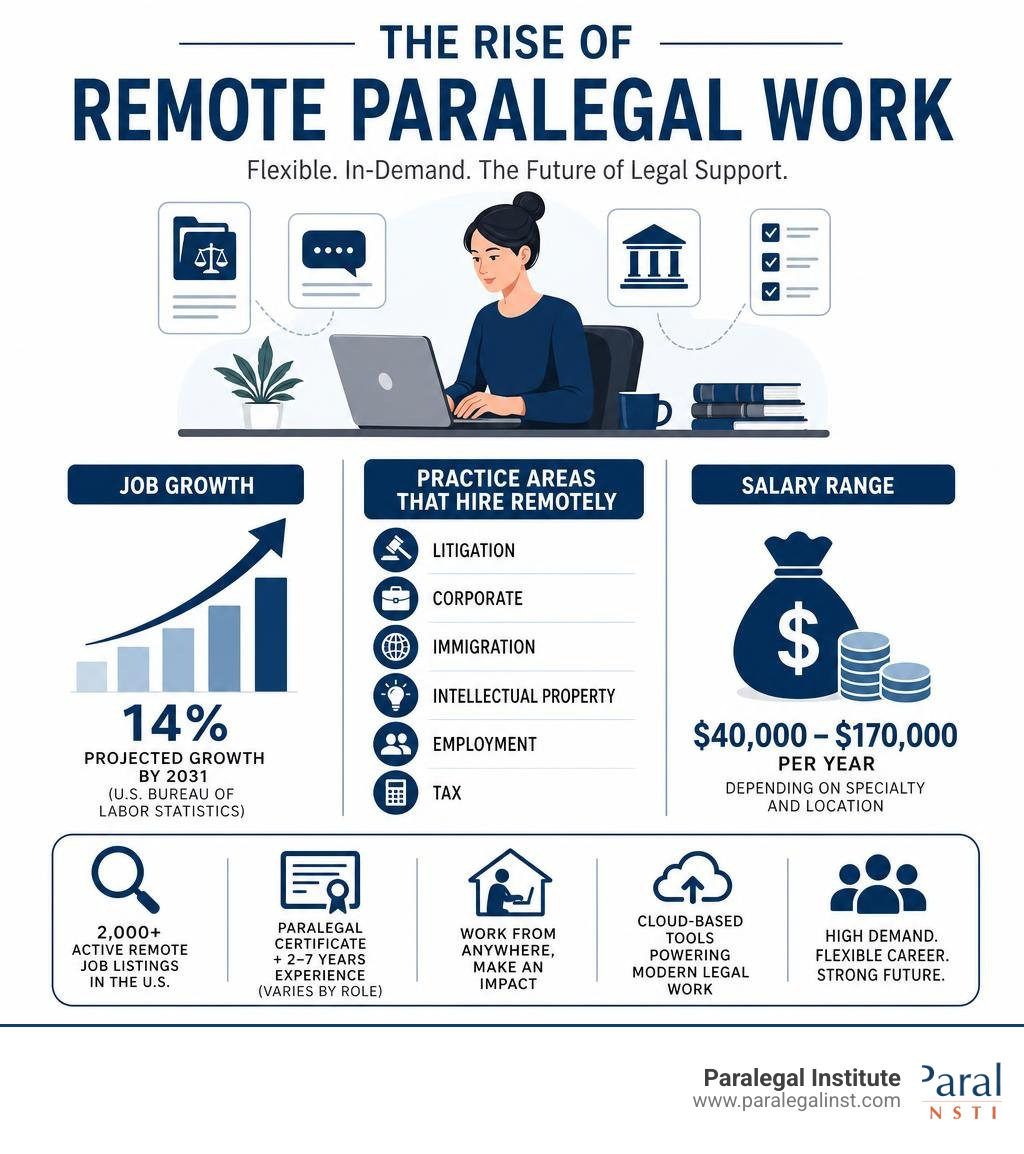
| How many remote paralegal jobs exist? | 2,000+ active listings in the U.S. |
| What practice areas hire remotely? | Litigation, corporate, immigration, IP, employment, tax |
| What do employers typically require? | Paralegal certificate + 2–7 years experience (varies by role) |
| What do remote paralegals earn? | Competitive salaries depending on specialty and location |
| Is demand growing? | Yes — 14% projected growth by 2031 (U.S. Bureau of Labor Statistics) |
The legal industry has shifted. Law firms and corporate legal teams now routinely hire paralegals who work entirely from home — handling everything from discovery and document drafting to client communication and e-filing.
This guide walks you through exactly how remote paralegal careers work, what qualifications you need, and how to land your first role.
I'm Matthew Pfau, a practicing attorney who has hired and trained numerous paralegals and now teaches paralegal education at Paralegal Institute — giving me a front-row seat to what employers actually look for in paralegal remote jobs. That real-world perspective shapes everything in this guide, so let's get into it.
The Landscape of Paralegal Remote Jobs in 2026
The legal landscape has undergone a massive transformation. As attorneys, we used to believe that legal support staff had to be sitting right outside our office doors, drowning in physical manila folders. Today, that old-school mindset is history. The modern law office lives in the cloud, making work from home paralegal positions highly sought-after and widely available.
But how does a remote role stack up against a traditional, in-office position? Let’s look at how the daily reality compares:
| Feature | Remote Paralegal | Traditional In-Office Paralegal |
|---|---|---|
| Primary Workspace | Home office or anywhere with secure internet | Dedicated desk at a physical law firm |
| Commute | Zero (unless you count walking to the kitchen) | Daily rush-hour traffic |
| Document Access | Cloud-based document management systems | Physical file cabinets and local servers |
| Client Interaction | Video conferencing, email, and phone calls | In-person meetings and lobby reception |
| Scheduling | Flexible hours (often structured around core time zones) | Strict 9-to-5 office hours |
| Geographic Flexibility | Can work for firms located in other cities | Limited to local commuting distance |
This shift is fueled by a massive boom in legal industry demand. The U.S. Bureau of Labor Statistics projects a 14% job growth for paralegals through 2031, which is significantly faster than the average for most other professions. With over 2,000 active remote paralegal job listings across the country, law firms are actively seeking professionals who can hit the ground running without needing physical supervision.
Different practice areas have adopted remote workflows at different speeds. Here is where we see the highest concentration of remote opportunities:
- Litigation Support: Managing court deadlines, coordinating discovery, and drafting pleadings. Even complex litigation defense firms now operate entirely in virtual environments.
- Corporate Law: Coordinating corporate filings, managing contract databases, and assisting with mergers and acquisitions.
- Immigration Casework: Preparing visa applications, compiling supporting evidence, and communicating directly with clients online.
- Intellectual Property: Managing patent and trademark prosecution databases and coordinating filings with federal offices.
Essential Qualifications and Skills for Virtual Legal Support
Working from home sounds fantastic, but as an attorney, I can tell you that we expect our remote team members to be exceptionally disciplined. When you aren't in the same building, communication and technical proficiency become your primary lifelines.

To qualify for top-tier remote roles, candidates must bring a specific blend of credentials and practical skills to the table. While some job listings, like the Remote Legal Secretary (Paralegal Certified, Civil Litigation) | Hireza posting, seek candidates who can combine administrative support with legal analysis, others require highly specialized legal knowledge.
Here are the core qualifications employers look for when hiring virtual legal support:
- A Comprehensive Paralegal Certificate: Having a structured education from a reputable program demonstrates that you understand civil procedure, legal terminology, and ethical obligations.
- Advanced Legal Research: You must know how to navigate legal databases to locate relevant statutes, regulations, and case law without needing hand-holding.
- E-Filing Workflows: Understanding how to submit documents to state and federal electronic court filing systems is mandatory for litigation roles.
- Digital Document Drafting: The ability to draft precise pleadings, motions, and discovery requests that comply with strict court formatting rules.
- Clear Communication Skills: Because you won't have face-to-face interactions, your written emails and verbal phone skills must be highly professional and precise.
If you want to see what active employers are asking for right now, you can explore current Remote Paralegal Job Listings on Glassdoor to review their specific technical requirements.
Landing Entry-Level Paralegal Remote Jobs
If you are transitioning into the legal field or looking for your very first role, you might wonder if it is even possible to work remotely without years of firm experience. The short answer is yes — but you need the right strategy.
Many firms are willing to hire entry-level professionals who have completed a rigorous, practical training program. Because our curriculum at the Paralegal Institute is designed and taught by practicing legal professionals, our graduates enter the workforce with the exact hands-on skills attorneys look for.
To help you navigate this path, we have put together a comprehensive guide to remote entry-level paralegal jobs that outlines how to position your resume. Additionally, if you are starting from scratch, check out our tips for finding a remote paralegal job with no experience to learn how to highlight transferable skills like organization, project management, and digital literacy.
Advanced Skills for Specialized Paralegal Remote Jobs
As you gain experience, you can transition into highly specialized, high-paying remote roles. These positions often require deep knowledge of complex federal or state regulations.
For example, fiduciary litigation, corporate compliance, and tax law require a level of precision that goes far beyond general administrative work. A prime illustration of this is the Tax Paralegal Remote Job Example, which highlights a dual-role position combining specialized estate and tax filings with high-level administrative coordination. To excel in these specialized areas, you must be comfortable reading complex financial documents, managing contract lifecycles, and keeping up with evolving regulatory changes.
How Remote Paralegals Handle Traditional On-Site Tasks
One of the most common questions aspiring virtual legal assistants ask is: "How do you handle tasks that used to require a physical presence?"
Historically, paralegals spent their days running to the courthouse, meeting clients in the conference room, or organizing massive paper trial binders. Today, technology has completely redefined these workflows.

Here is how modern remote paralegals successfully execute traditional on-site responsibilities:
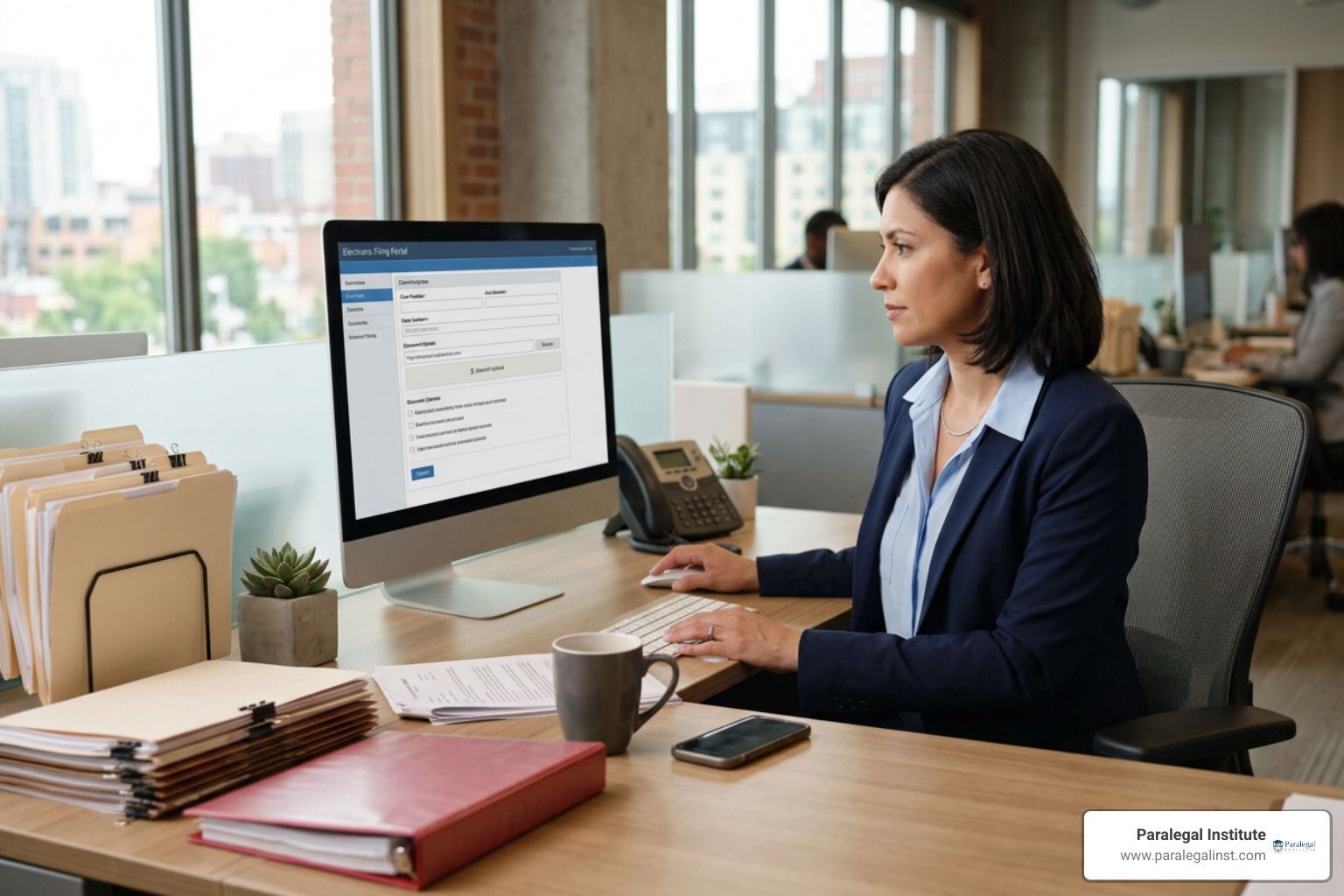
- Electronic Court Filings (E-Filing): Instead of driving to the courthouse before the clerk's office closes, remote paralegals use electronic portals to file pleadings and motions instantly from their home offices.
- Virtual Trial Preparation: Rather than assembling physical three-ring binders, paralegals organize digital trial binders, hyperlinked exhibit lists, and cloud-based folders that attorneys can access directly from the courtroom laptop.
- Remote Client Interviews: Client intake and witness interviews are now conducted via secure video conferencing platforms. This allows paralegals to gather facts, review documents together in real-time via screen sharing, and build rapport without requiring the client to travel.
- Digital Document Review (E-Discovery): Instead of sorting through physical boxes of paper documents in a warehouse, paralegals use advanced cloud-based databases to search, tag, and organize thousands of electronic files during the discovery phase.
To learn more about the diverse day-to-day responsibilities across different practice areas, read our complete guide to paralegal positions.
Strategies to Secure Your First Remote Legal Role
Landing a work-from-home position requires a proactive and targeted approach. Because remote jobs attract applicants from across the country, your application materials must stand out immediately.
First, optimize your resume to highlight your remote readiness. Make sure to emphasize your experience with cloud-based collaboration tools, digital document management, and independent project execution. If you have completed a practical, educational program, showcase the hands-on projects you completed, such as drafting discovery requests or conducting legal research.
Second, understand what attorneys are looking for during the interview process. We want to know that you are disciplined, highly organized, and capable of working without direct supervision. Be prepared to explain how you manage your daily schedule, track strict court deadlines, and maintain client confidentiality in a home environment.
When you are ready to begin your search, explore specialized job boards and platforms. For instance, you can look at the Recent Jobs - Paralegal - State Bar of Nevada's Career portal for opportunities that align with regional legal standards, or check out flexible legal talent platforms like Paralegal Remote Jobs - Find Full or Part-time Legal Careers to find contract, freelance, or full-time engagements.
For a step-by-step breakdown of how to prepare, read our guide on how to get a paralegal job and use our curated paralegal job search tips to streamline your application process.
Frequently Asked Questions About Remote Legal Careers
What practice areas offer the most paralegal remote jobs?
Litigation support, corporate law, immigration, and intellectual property offer the highest volume of remote opportunities. These fields rely heavily on document preparation, digital database management, and electronic filing, which can be completed from anywhere with a secure internet connection. If you are curious about the long-term outlook of these specialties, check out our analysis of paralegal job prospects.
Do I need a degree to work in remote paralegal jobs?
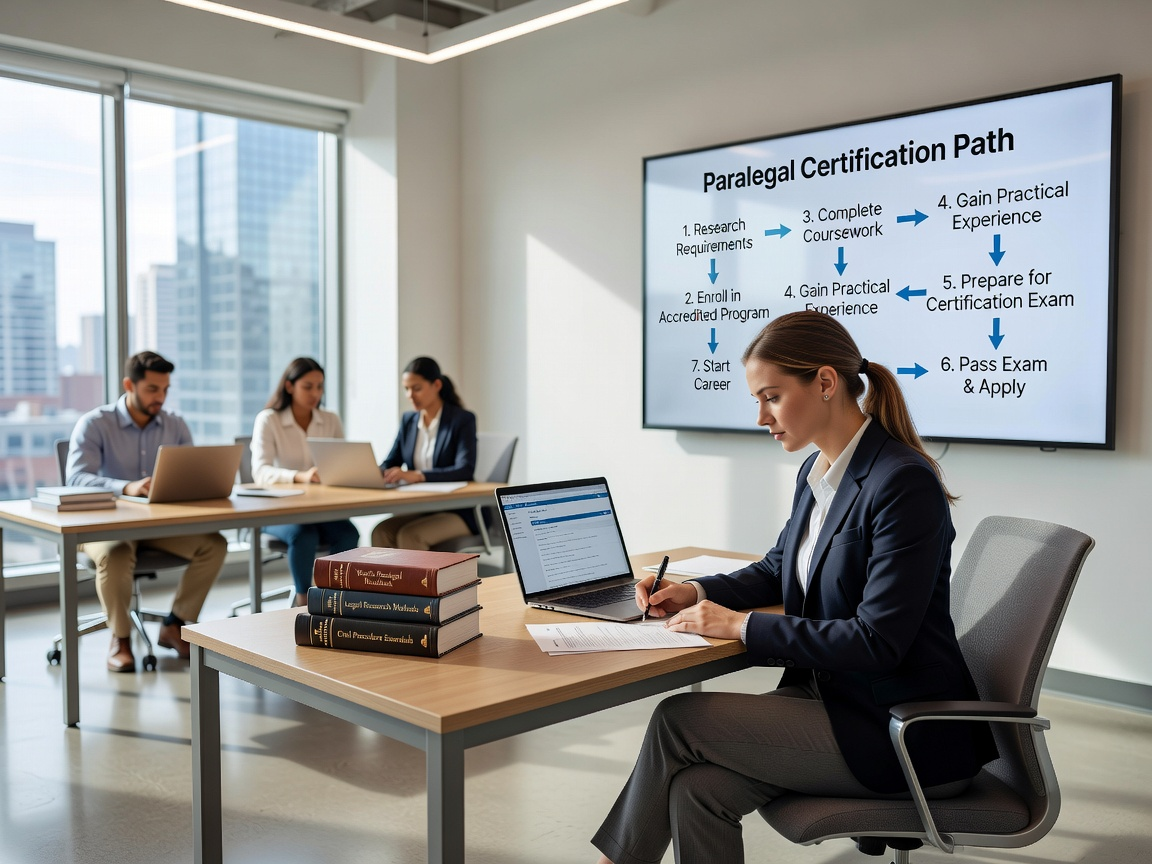
You do not necessarily need a degree to work as a remote paralegal. Many law firms prioritize practical skills and professional training. Earning a paralegal certificate is an excellent, accelerated way to prove to employers that you possess the exact legal knowledge required to do the job. For more on this path, read our guide on how to get a paralegal job without experience.
How do remote paralegals collaborate with attorneys?
Remote paralegals collaborate with attorneys using a variety of digital tools, including secure cloud-based document sharing, video conferencing, instant messaging, and shared digital calendars. Regular virtual check-ins ensure that case milestones are met and that the legal team remains aligned on trial preparation and filing deadlines. To get a complete overview of how these teams operate, refer to our complete guide to paralegal jobs.
Conclusion
The rise of paralegal remote jobs has opened up incredible career paths for detail-oriented, driven individuals who want to enter the legal field without spending years in school.
At the Paralegal Institute, we help you bridge the gap between aspiration and employment. Our 15-week paralegal certificate program is designed to deliver practical, job-ready skills through live online instruction taught by practicing legal professionals. We focus on the real-world workflows that attorneys actually use, ensuring you graduate ready to contribute to a remote legal team on day one.
If you are ready to take control of your career and enjoy the flexibility of working from home, launch your career with remote entry-level paralegal jobs and take your first step toward a rewarding virtual legal career today.