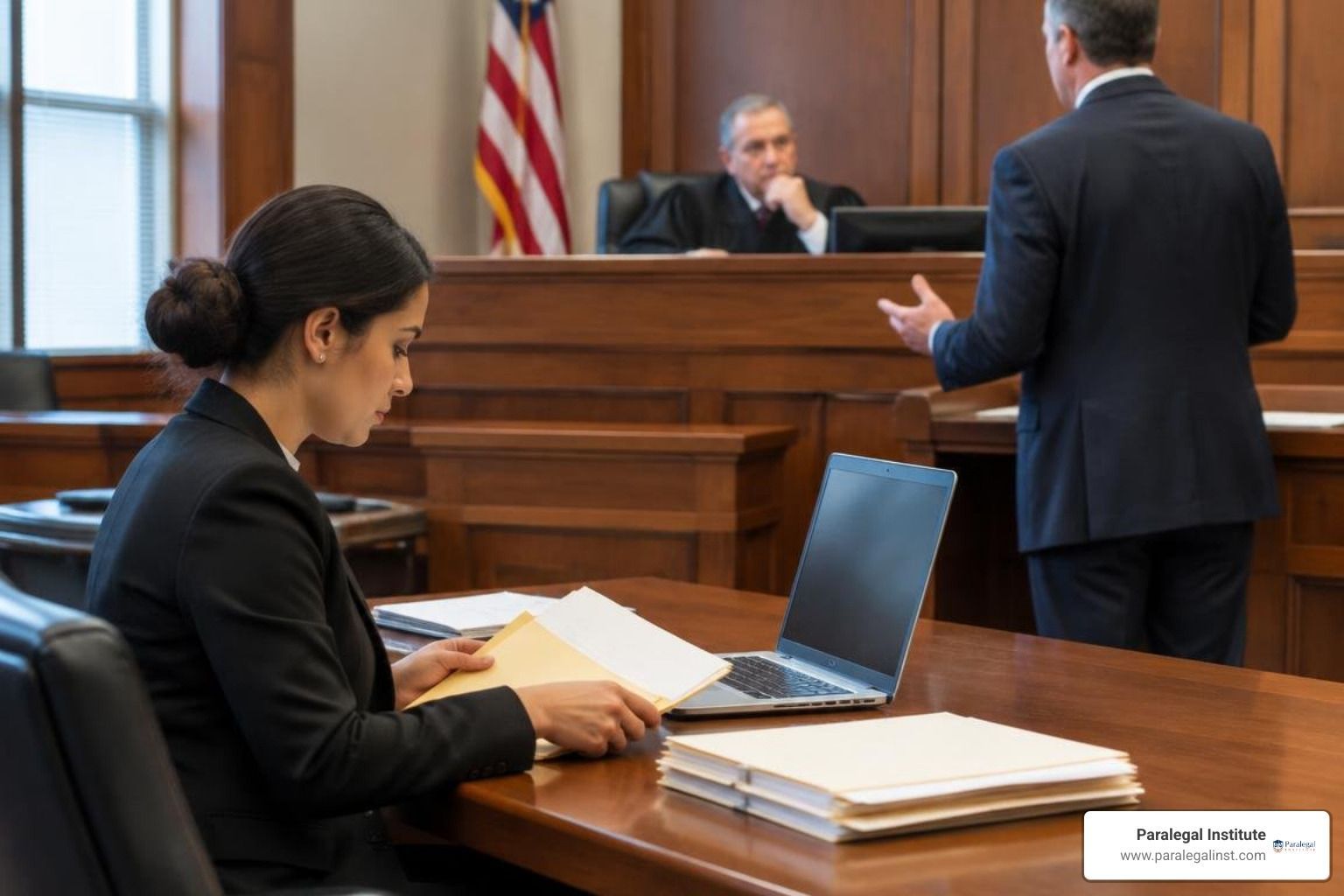
Why Choose Paralegal Education Taught by Attorneys Over Other Programs
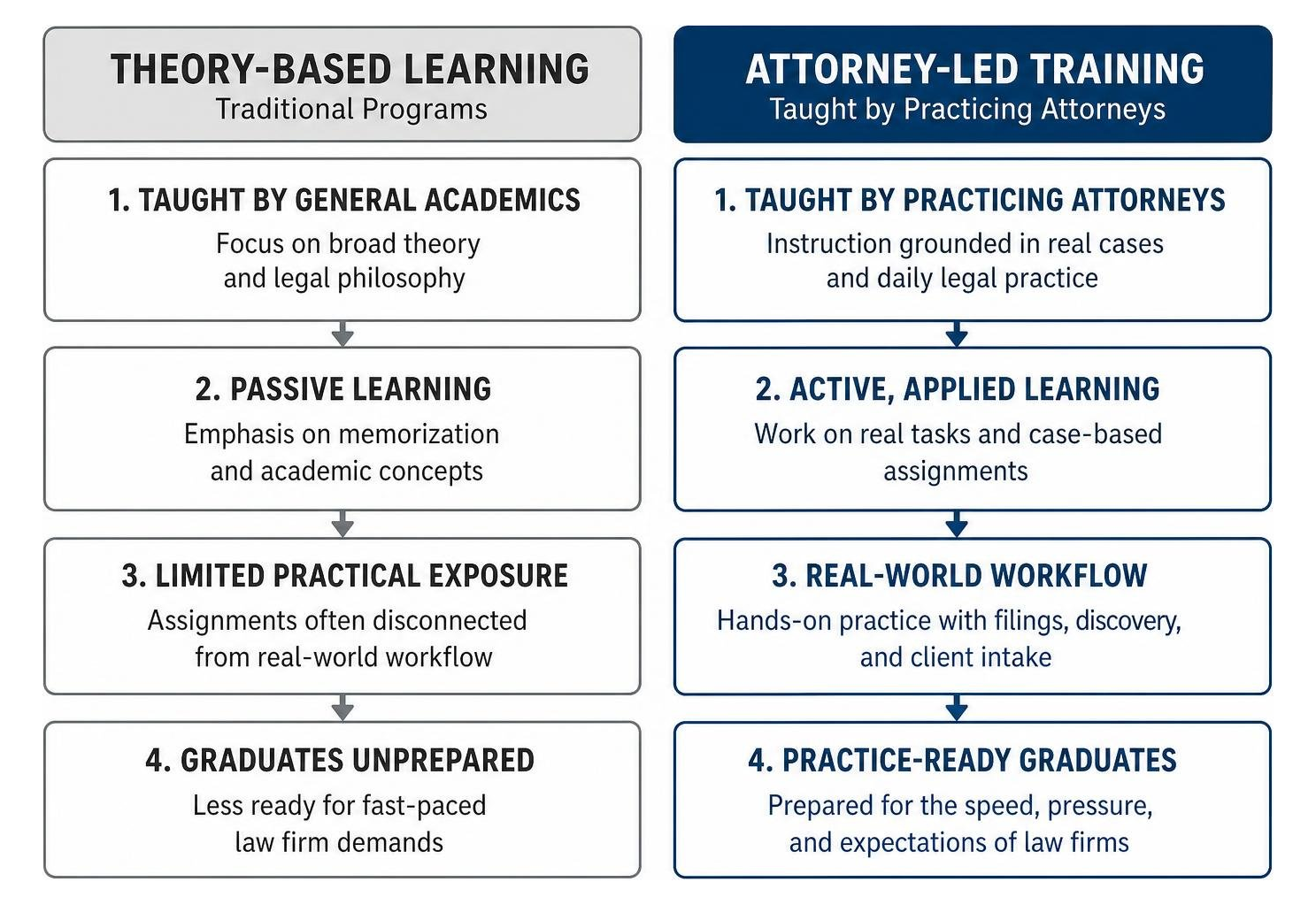
Attorney-led paralegal education delivers practical, career-ready legal skills: you learn legal drafting, discovery, and case management directly from practicing lawyers through direct feedback and mentorship. Traditional academic programs often focus heavily on broad theory taught by general academics, leaving graduates unprepared for the actual workflow of a busy law firm. When you step into a modern law office, no one asks you to recite legal philosophy from a dusty century-old treatise. Instead, a supervising lawyer will hand you a stack of client records, ask for a motion draft by the end of the day, or expect you to organize incoming discovery requests.
Choosing paralegal training taught by professionals shifts your entire learning experience from passive memorization to active practice. Practicing lawyers understand what makes a paralegal truly indispensable. I know the pressure points of litigation, how client intake can get, and why a single filing error can derail an entire court timeline. When practicing attorneys lead your education, every lecture and assignment is tied directly to real-world cases.
Core Benefits of Paralegal Education Taught by Attorneys
Learning directly from practicing legal professionals provides advantages that traditional textbooks cannot replicate:
- Direct, Practical Feedback: Instead of grading your work solely on academic grammar, an attorney reviews your assignments through the lens of actual practice. You learn exactly how a partner or senior associate critiques a brief, a discovery response, or a client intake memorandum.
- Courtroom and Negotiation Strategy: Attorneys share the strategic reasoning behind every document. Understanding why a particular piece of evidence matters during settlement discussions helps you anticipate what your supervising attorney will need next.
- Practical Drafting Standards: You gain experience drafting pleadings, motions, and discovery demands that reflect modern court standards and local rules.
- Mentorship and Professional Growth: Gaining mentorship insights for paralegal success gives you the confidence to communicate effectively with clients, court clerks, and opposing counsel.
How Lawyer-Led Instruction Prepares You for Real Legal Tasks
Law offices operate on strict deadlines and meticulous recordkeeping. When you receive practical training, you learn how to handle routine casework, coordinate electronic discovery, and organize trial binders before you ever set foot in an office. Understanding how to manage discovery deadlines and summarize deposition transcripts ensures you are an asset to your firm from day one.
A comprehensive paralegal education prepares you for real legal tasks by immersing you in realistic assignments that mirror actual law firm operations. Mastering practical litigation support and discovery workflows creates immediate career value. I focus on these exact operational competencies so you never feel lost when handed a complex file.
State-by-State Paralegal Requirements and Licensing Pathways
The legal industry operates under distinct state-level rules. Understanding how your state defines and regulates paralegal professionals is crucial when selecting an educational pathway.
| State | Regulatory Structure | Primary Qualification Pathways | Practice Scope |
|---|---|---|---|
| Nevada | Supervised Practice | Certificate or practical legal training | Supervised by licensed attorneys |
| California | Mandatory State Code | Qualifying educational program, law-related coursework, or supervised legal experience | Supervised by licensed attorneys |
| Texas | Employer-Driven Qualifications | Practical training and supervised legal experience | Supervised by licensed attorneys |
| New York | Market Preference | Experience, certificate, or strong practical skills | Supervised by licensed attorneys |
| Colorado | Supervised & Limited Independent Pathways | Education plus state-level paraprofessional licensing requirements | Supervised casework or limited independent services |
California, Texas, and New York Paralegal Standards
California is one of the few states that strictly regulates paralegal credentials by statute. Under the California Business and Professions Code, an individual must complete an approved educational program, complete qualifying law-related coursework, or meet another qualifying education pathway accompanied by supervised legal experience under an active attorney.
In Texas, the state does not mandate specific educational prerequisites to enter the field. However, many legal employers look for candidates who can show practical proficiency, strong legal research ability, and experience supporting licensed counsel.
New York takes a flexible approach without formal state occupational licensing. Law firms and corporate legal departments across New York prioritize job candidates who hold a rigorous certificate and possess demonstrable experience in electronic filing, legal research, and substantive casework.
Colorado Licensed Legal Paraprofessionals and Independent Practice
Colorado has modernized legal service delivery by establishing the Licensed Legal Paraprofessional (LLP) credential. This framework allows qualified paraprofessionals to provide limited legal representation in specific matters authorized by state rule without direct attorney supervision.
To qualify, candidates must meet clear educational benchmarks and pass state examinations. This pathway provides career-focused professionals with an opportunity to offer direct legal assistance to clients who might otherwise be priced out of traditional legal services.
Essential Curriculum Components: Certificates and Hands-On Training
A comprehensive legal curriculum should cover the foundational areas of law while emphasizing the practical skills required in daily practice. Coursework must emphasize civil litigation, legal research, document drafting, contract analysis, and legal ethics. Reviewing current legal curriculum standards highlights how vital core subjects like legal research, writing, and civil procedure are to the practice of law.
At Paralegal Institute, our curriculum focuses on these exact pillars through hands-on legal training. Students work directly through real-world scenarios, learning to draft pleadings, organize discovery files, and manage client communications with professional accuracy.
Paralegal Certificate vs. Traditional Academic Pathways: Which Is Best for Career Growth?
Prospective students often wonder whether they need to invest years in a traditional academic program, or if an accelerated paralegal certificate is the smarter route.
Traditional programs can require substantial time and general education coursework that has little bearing on day-to-day legal practice. In contrast, an accelerated, 15-week certificate program focuses entirely on practical, substantive law and litigation skills. For career-focused adults looking to transition quickly and affordably into the legal sector, an accelerated certificate taught by practicing lawyers provides the fastest route to job readiness without the burden of unnecessary classes. Understanding the differences among paralegal schools allows you to choose an option that maximizes your time and educational investment.
Program Delivery: Online with Live Instruction vs. In-Person Classes
Choosing how to attend class is one of the most important decisions you will make. Today's students typically choose between two main formats:
- Online with Live Instruction: You attend scheduled online classes where practicing attorneys teach live in real time. This format combines scheduling convenience with live interaction, allowing you to ask questions, participate in discussions, and receive immediate feedback on drafting exercises.
- In-Person Classes: You attend lectures in a physical classroom setting, working face-to-face with instructors and fellow students. This traditional format offers structured routines and immediate networking opportunities.
Both formats ensure you never have to navigate complex legal concepts on your own, ensuring continuous interaction with your instructor.
Evaluating Program Quality, Costs, and Career ROI

When selecting a program, you must evaluate the return on your educational investment. Long, multi-year degree programs often require substantial tuition commitments that delay your entry into the workforce. Quality paralegal schools offer more than just a degree; they provide an accelerated, affordable route that prepares you for immediate employment.
Evaluating Quality in Paralegal Education Taught by Attorneys
To evaluate any program, examine the practical experience of the faculty. Ask these key questions:
- Who is teaching your courses? Ensure classes are led by active, practicing lawyers who understand current courtroom rules and modern legal workflows.
- What does the practical training include? Check if you will draft actual litigation documents, manage discovery exercises, and review authentic case records.
- What career support is provided? Look for strong career assistance, resume coaching, and established connections with local legal employers.
Paralegal Salaries and Labor Market Outlook Across Key States
The demand for skilled legal support staff remains strong nationwide. Law firms, corporate compliance divisions, and government agencies rely on trained paralegals to manage high volumes of casework efficiently.
Metropolitan markets across the country offer robust opportunities for paralegals who possess solid technical drafting and case management abilities. Regions with growing business and legal sectors consistently seek out professionals who can manage discovery, organize trial preparation, and assist with complex litigation matters immediately upon hire. Choosing an accelerated, practical certificate ensures you can enter this expanding job market quickly while minimizing your educational expenses.
Frequently Asked Questions About Attorney-Led Paralegal Programs
What are the main advantages of having lawyers teach paralegal courses?
Attorneys bring daily courtroom and negotiation experience into the classroom. You learn how legal documents are evaluated in practice, how to spot critical case issues, and how to anticipate what supervising attorneys need on active files.
Can I become a paralegal online with live instruction?
Yes. Enrolling in a program offered online with live instruction allows you to interact directly with practicing lawyers in real time. You participate in live lectures, ask questions, and complete practical drafting exercises from home while receiving immediate professional feedback.
Do all states require a formal license to work as a paralegal?
No. Most states do not require a mandatory state license to work as a paralegal, though California sets specific statutory educational guidelines, and Colorado provides an optional licensing track for independent legal paraprofessionals. In most jurisdictions, earning a recognized certificate from an attorney-led program provides the qualifications and practical skills needed for employment.
Conclusion: Launching Your Legal Career with Practical Training
Entering the legal field does not require spending years in an academic lecture hall. Law firms and legal departments want professionals who understand practical casework, accurate drafting, and effective discovery management.
At Paralegal Institute, our 15-week accelerated program provides the hands-on instruction and direct attorney mentorship you need for immediate workforce readiness. Explore our online paralegal program today and take the first step toward building a successful legal career.