Why Remote Paralegal Work Is One of the Best Career Moves You Can Make Right Now
If you're exploring a work from home paralegal career, here's the short answer: yes, these jobs are real, plentiful, and pay well — and you don't need years of experience to get started.
Top remote paralegal opportunities available right now:
- Litigation paralegal — discovery support, e-filing, trial prep
- Family law paralegal — client intake, document drafting, case management
- Estate planning paralegal — probate support, financial records
- Corporate paralegal — governance documentation, contract drafting
- Insurance defense paralegal — case file management, correspondence
- AI legal training roles — reviewing legal content to train AI models (flexible, high hourly pay)
The legal industry is growing fast. Paralegal demand is projected to rise 14% by 2031 — much faster than most other professions. And a growing share of those jobs are fully remote.
Right now, hundreds of remote paralegal positions are posted across job boards — spanning contract, part-time, and full-time roles — in practice areas from personal injury to intellectual property. Salaries range widely depending on experience and specialty, but the opportunities are there at every level.
The barrier to entry is lower than most people think. A paralegal certificate, a reliable internet connection, and the right skill set can open the door.
I'm Matt Pfau, a practicing attorney who has hired and trained paralegals at my own law firm and taught paralegal courses at the University of Nevada, Las Vegas — experience that showed me what employers actually look for in a work from home paralegal. In this guide, I'll walk you through exactly where to find remote roles, what qualifications you need, and how to land your first position.
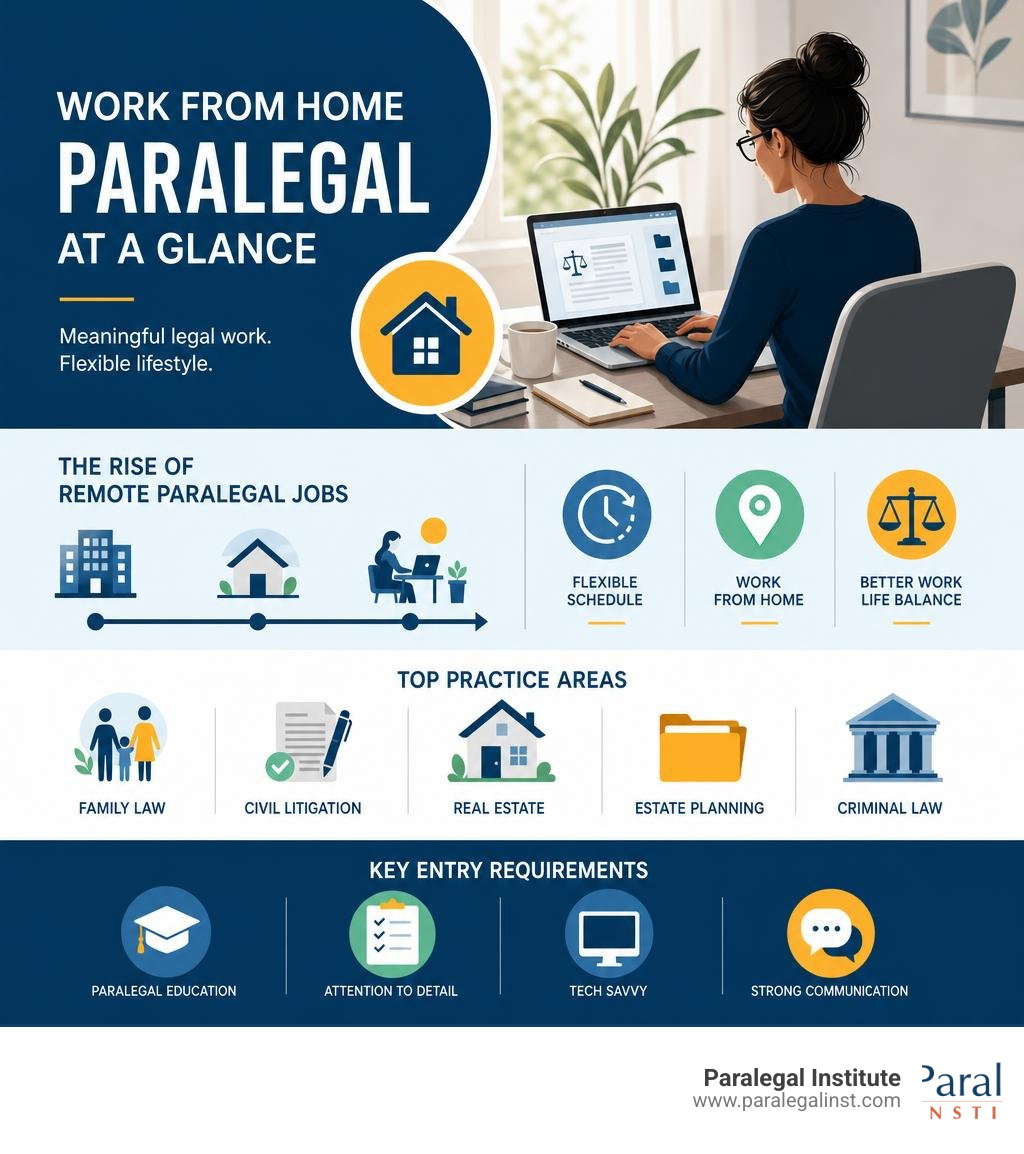
Common Practice Areas for a Work From Home Paralegal
As we move through 2026, the landscape of the legal industry has shifted permanently toward flexibility. Law firms and corporate legal departments have realized that a talented work from home paralegal can be just as effective — if not more so — than one sitting in a cubicle. We’ve seen that remote roles aren't just for general assistants anymore; they span almost every major practice area.
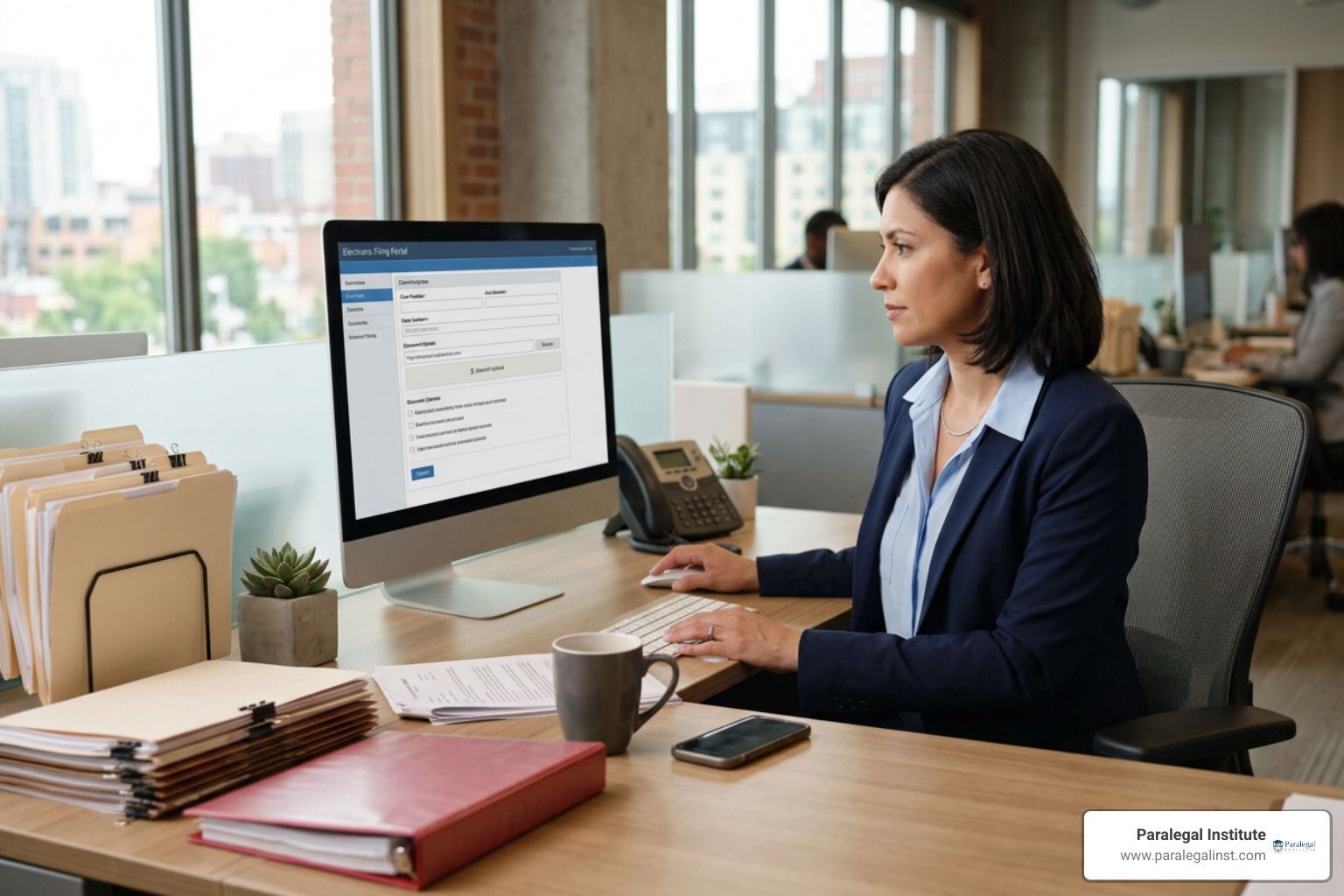
Litigation support remains the heavyweight champion of remote work. Because so much of litigation involves managing digital documents, drafting discovery requests, and coordinating with courts via electronic portals, it is perfectly suited for a home office. Remote litigation paralegals handle everything from Bates stamping to organizing trial exhibits.
Family law is another area where remote opportunities are booming. Firms often need help with client intake, preparing financial disclosures, and drafting motions for divorce or custody cases. Many of these firms utilize cloud-based management systems, allowing you to manage a full caseload from anywhere.
Estate planning and probate roles are also frequently available for remote workers. These positions involve heavy document preparation, such as drafting wills and trusts, and maintaining meticulous financial records for probate court.
According to Paralegal Remote Jobs | Axiom, remote and hybrid engagements are now standard across nearly every major industry, including over half of the Fortune 100. This means you could find yourself working for a massive corporation on corporate governance and contract drafting without ever leaving your house.
Insurance defense firms are also major employers of remote talent. They often handle high-volume casework where efficiency is key. A remote paralegal in this field might focus on managing case files, summarizing medical records, and drafting routine correspondence for insurance carriers.

High-Demand Specialties in 2026
If you want to maximize your marketability, focusing on high-demand specialties is a smart move. In 2026, several niche areas have seen a surge in remote hiring:
- Toxic Tort and Civil Litigation: Firms handling complex environmental or product liability cases (like those in California) frequently hire remote paralegals to manage massive discovery phases.
- Intellectual Property (IP): IP law is highly administrative and document-heavy, making it a natural fit for remote work.
- Family Law: As seen in listings like the Family Law Paralegal (100% REMOTE) | Hireza, firms are willing to pay a premium for experienced remote staff who can handle California-specific procedures and filings.
- AI Legal Training: A unique trend in 2026 is the rise of legal subject matter experts training AI models. These roles often involve reviewing legal content for accuracy and can offer incredible flexibility for those with a legal background.
For many, these specialties are accessible through targeted education. We've found that online paralegal classes work well parents and others who need to balance specialized training with a busy home life.
Essential Qualifications for Remote Legal Support
Transitioning to a work from home paralegal role requires a specific blend of legal knowledge and technical self-sufficiency. While the core legal skills are the same as an in-office role, the delivery method changes.
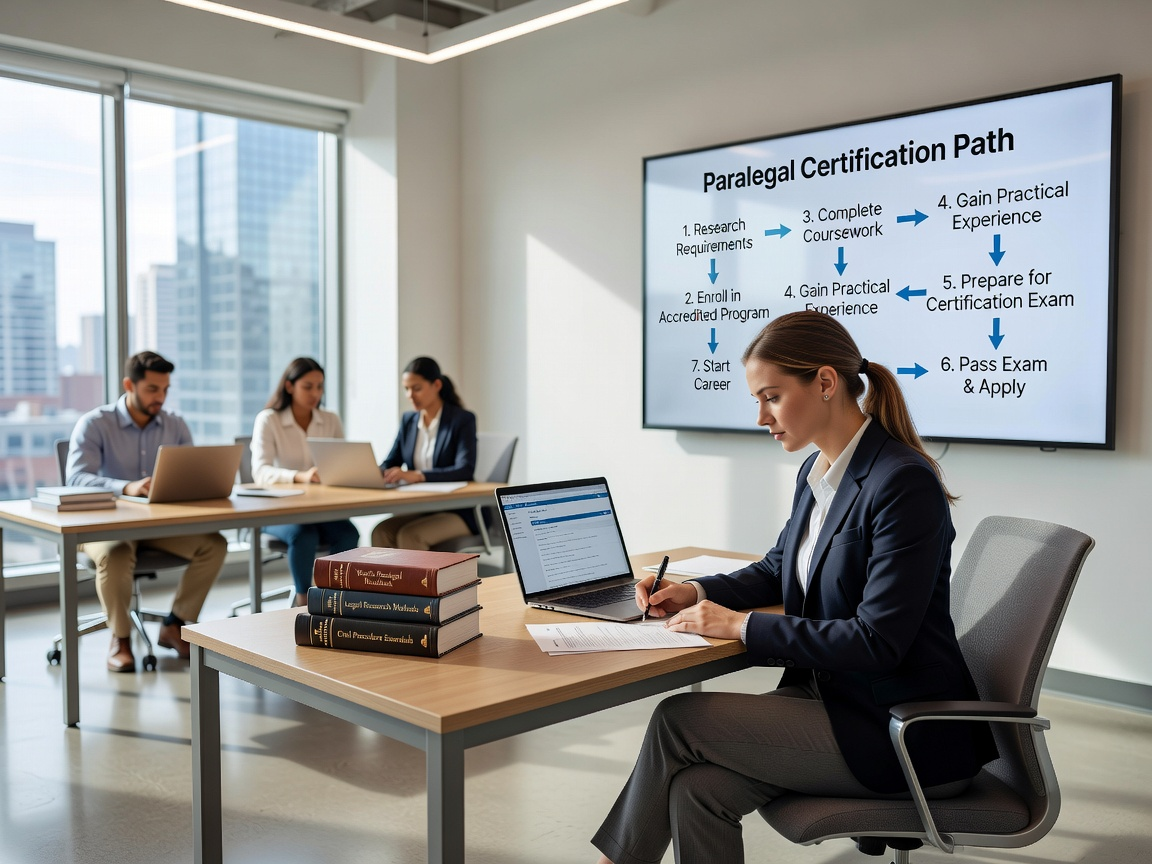
First and foremost, most reputable remote employers require a paralegal certificate. While some firms may accept a Bachelor’s degree in a related field, the certificate proves you have the specific procedural training needed to hit the ground running. At the Paralegal Institute, we focus on these practical skills so you can enter the workforce in just 15 weeks.
Tech-savviness is non-negotiable. You aren't just a legal expert; you are your own IT department. You need to be comfortable with cloud-based document management, video conferencing, and specialized legal software. If you're wondering if you have what it takes, you might ask: is online paralegal training right for you? If you can navigate an online course, you’re already halfway there.
| Feature | Traditional Office Paralegal | Remote Work From Home Paralegal |
|---|---|---|
| Supervision | Direct, in-person oversight | Independent, results-oriented |
| Communication | Face-to-face meetings | Video calls, Slack, and email |
| File Access | Physical and digital files | 100% digital/cloud-based |
| Skill Emphasis | Office politics/Organization | Tech-proficiency/Self-discipline |
| Schedule | Standard 9-to-5 | Often flexible, task-based |
Entry-Level Work From Home Paralegal Requirements
For those just starting out, don't be discouraged by "experience required" tags. Many remote entry level paralegal jobs focus more on your ability to perform specific tasks than your years in a chair.
Key requirements for entry-level remote roles often include:
- Discovery Drafting: The ability to draft interrogatories and requests for production.
- E-filing Proficiency: Knowing how to navigate systems like PACER/ECF or state-specific portals (like eFileTexas).
- Communication Skills: Since you aren't in the office, your writing must be professional, clear, and prompt.
- Specific State Experience: Some roles, like this Remote Paralegal (California Law Firm Experience) | Hireza, look for familiarity with specific state statutes or court rules.
Daily Responsibilities in a Virtual Law Office
What does a day in the life of a work from home paralegal actually look like? It’s a mix of deep focus and digital collaboration. We’ve found that many remote paralegals start their day by checking the firm’s docket and updating the master calendar.
Case management is the heart of the role. You’ll be responsible for keeping digital files organized, ensuring every document is named correctly and filed in the right cloud folder. Client intake has also moved online; you might spend your morning conducting video consultations to gather facts from new clients.
Legal research is another major task. Using tools like LexisNexis or Westlaw, you’ll hunt down case law to support the attorney’s motions. Document production is perhaps the most time-consuming part of the job, involving redactions, Bates stamping, and preparing trial binders — all done digitally. To stay on top of it all, we recommend following practical tips online paralegal success.

Managing the Remote Workflow
Success as a remote paralegal depends on your ability to manage your own time without an attorney looking over your shoulder.
- Calendaring and Docketing: Missing a court deadline is a cardinal sin in the legal world. Remote paralegals must be experts in managing deadlines across multiple time zones.
- Trial Preparation: Even for remote roles, preparing for trial is intense. You’ll coordinate with witnesses, prepare exhibits, and draft trial briefs.
- Financial Records: Many remote roles, especially in smaller firms, require you to maintain financial records or handle billing through software like Clio or MyCase.
Job postings like the Paralegal (Remote) | Hireza emphasize the need for independent workers who can handle these tasks with minimal supervision. Balancing these responsibilities is a skill in itself, often learned while balancing work and paralegal schooling.
Where to Find Work From Home Paralegal Jobs in 2026
The hunt for a work from home paralegal position has changed. In 2026, you aren't just looking at local law firm websites; you’re looking at global platforms.
Contract roles and 1099 arrangements are incredibly common. Many firms prefer to hire paralegals on a project basis, which gives you the freedom to work for multiple clients. On platforms like LinkedIn, you can find 1,000+ Work From Home Paralegal jobs at any given time, ranging from entry-level to senior analyst positions.
For those who want more stability, full-time remote positions are also available. Sites like Remote Paralegal Jobs | FlexJobs screen their listings to ensure they are legitimate, professional opportunities.
Top Platforms for a Work From Home Paralegal
If you’re ready to apply, these platforms are the best places to start:
- On-Demand Support: Companies like Legally Remote | On-Demand Legal Support connect legal professionals with firms that need immediate help.
- Virtual Staffing Agencies: Agencies like Hireza often post specialized roles, such as this Remote Legal Secretary (Civil Litigation) | Hireza, which often requires a paralegal certificate.
- Freelance Marketplaces: Platforms where you can offer your services as an independent contractor to various attorneys.
We believe that flexibility matters in online paralegal training because it prepares you for this exact job market — one that values results and adaptability over physical presence.
Success Strategies for Remote Legal Professionals
Working from home is a dream for many, but it requires discipline to keep it from becoming a nightmare.
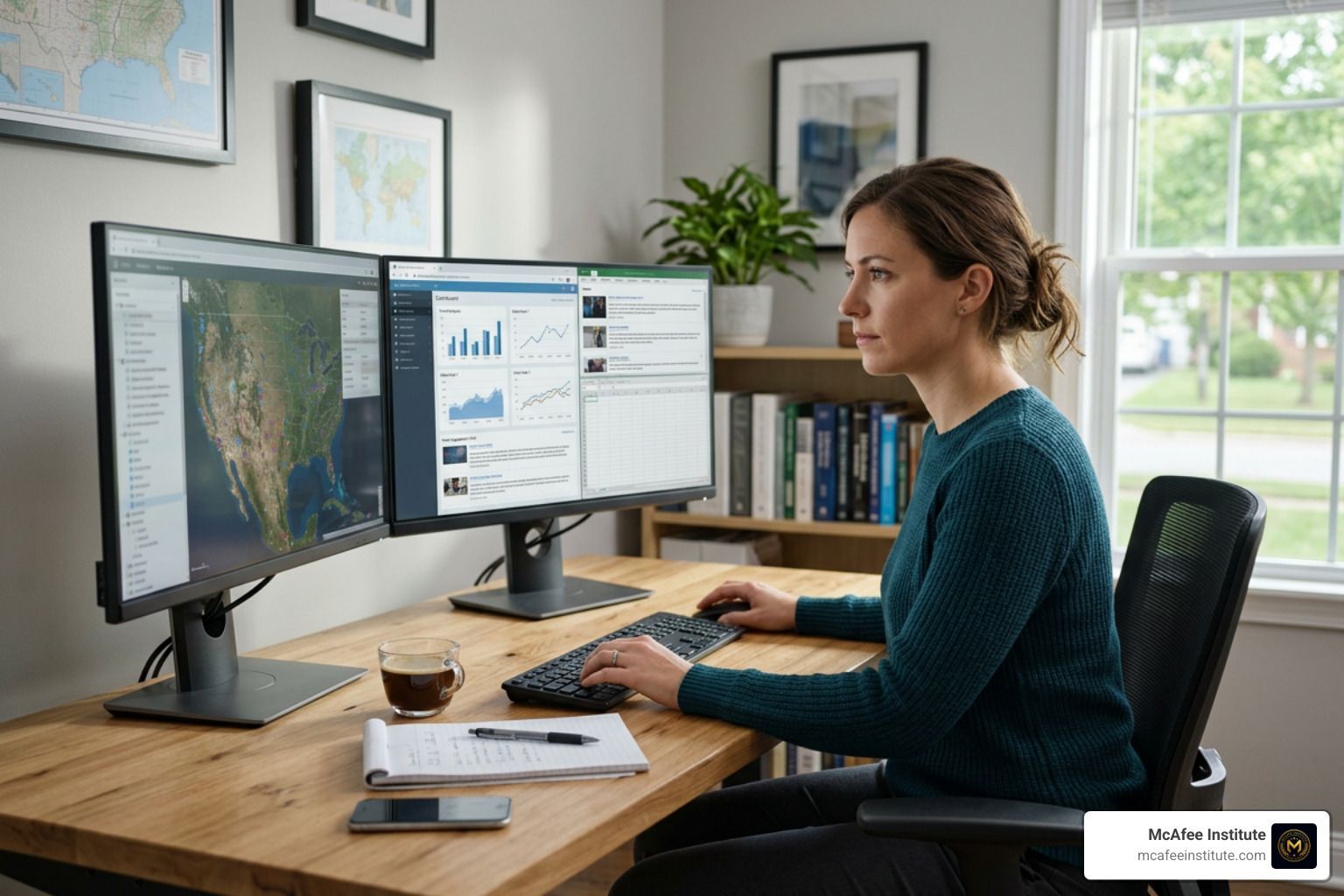
Home Office Setup: Your workspace needs to be professional. This means a quiet area for calls, a reliable high-speed internet connection, and dual monitors (trust us, you’ll need them for document review).
Data Security: In the legal field, confidentiality is everything. You must ensure your home network is secure and that you are following all firm protocols for data encryption and password management.
Work-Life Balance: It’s easy for work to bleed into your personal life when your office is ten feet from your bed. We emphasize the importance of a work life balance paralegal certificate mindset — setting firm start and end times for your day.
Professional Development: The law is always changing. Successful remote paralegals stay updated on new court rules and software. Understanding when online paralegal programs fit life can help you continue your education even after you’ve landed your first job.
Frequently Asked Questions about Remote Paralegal Work
Can I find a work from home paralegal job with no experience?
Yes! While some roles require 3-5 years of experience, there are many remote paralegal no experience opportunities, especially in high-volume areas like insurance defense or AI training. The key is having a paralegal certificate that proves you have the technical skills.
What technology is required for a remote paralegal office?
At a minimum, you’ll need a modern computer, high-speed internet, and proficiency in Microsoft Office. Most firms also use legal-specific software like Westlaw, LexisNexis, NetDocuments, and various e-filing portals.
Are remote paralegal positions usually full-time or contract?
You’ll find a mix of both. Our research shows a significant number of 1099 contract roles, which offer the most flexibility. However, full-time W-2 positions with benefits are also widely available for those seeking more stability.
Conclusion
The shift toward the work from home paralegal model is the most significant change I’ve seen in the legal industry in decades. It has opened doors for parents, caregivers, and those in rural areas to access high-paying, professional careers that were once restricted to big-city law offices.
At the Paralegal Institute, we are dedicated to helping you walk through those doors. Our 15-week program isn't about abstract theory; it’s about the practical, hands-on training you need to be "job-ready" on day one. With live instruction from practicing attorneys like myself, you get real-time feedback and insights that you simply can't get from a pre-recorded lecture.
If you're ready to trade the commute for a career that offers both flexibility and professional growth, now is the time to act. Start your career with remote entry level paralegal jobs and join the thousands of legal professionals who are defining the future of law from the comfort of their own homes.