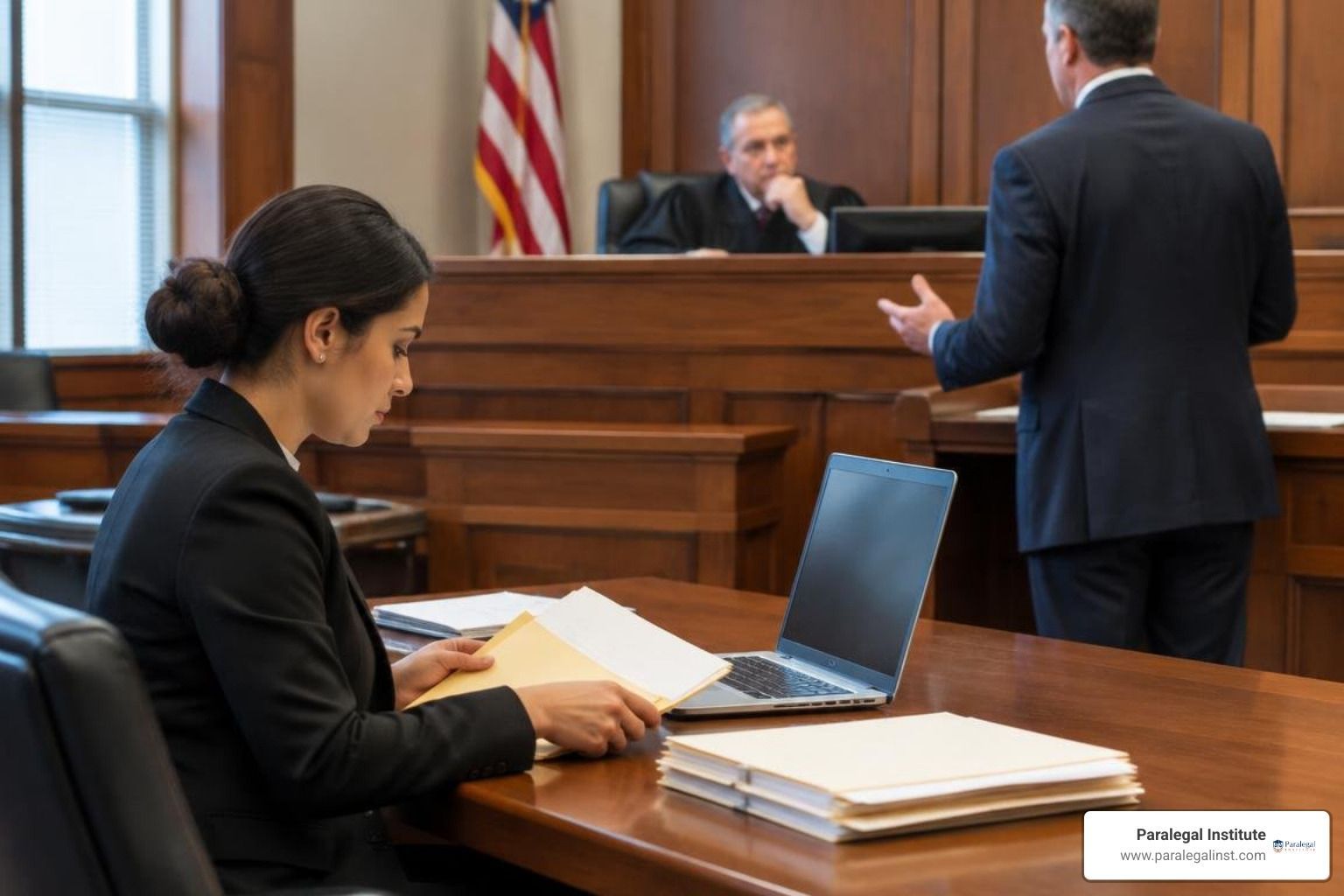
When people sign up for paralegal schools, they often expect a program focused on legal terms, documents, and maybe a few exams. But what they find usually goes much deeper. These programs do more than prepare someone for a test or give a diploma. They build habits, structure, and work skills that help students walk into legal jobs ready to contribute from day one.
Paralegal schools blend learning and experience in a way that surprises some students. It's not just about hearing how law firms function. It's about learning to think and work like someone who's already part of the process. These schools give structure to each day, teach real-world writing and planning, and help students develop into consistent professionals, not just test-takers.
Learning Practical Job Skills
What makes these programs so valuable is how often they include hands-on practice. We've found that learning by doing helps lessons stick.
• Assignments often include legal writing, like case summaries or client letters. These mimic actual office work.
• Students practice client intake, which involves asking the right questions, sorting information, and thinking on their feet.
• Document preparation becomes second nature. From basic forms to setting up files by court deadlines, students learn what paperwork needs to leave their desks and when.
Day by day, these experiences help build confidence. By handling tasks piece by piece, students stop being unsure and start feeling ready to do the work for real. Even routine assignments begin to prepare them for fast-paced firms in places like Las Vegas, Nevada, where legal support needs to keep up with constant demands.
Our paralegal program at Paralegal Institute features a blend of online coursework and real-world assignments that get students ready for workforce entry in just 15 weeks.
Building Discipline and Study Habits
No matter how much someone knows about the law, it won't help much if they can't stay on task. In paralegal training, there's a strong focus on time management and accountability. That part can feel just as tough as the legal content, but just as useful too.
• Students learn to manage calendars, due dates, and shifting tasks.
• Multitasking becomes a regular part of life. It's common to work on several projects at once and finish them on deadline.
• Rather than relying on reminders, students develop their own systems to stay organized and focused.
The program isn't just about getting through a few weeks. It's built in a way that mirrors longer-term work habits. Those who do well often carry that structure into their early jobs, making them dependable from the start.
Gaining Exposure to Legal Culture
Learning what a paralegal does is one thing. Getting used to how legal offices think and work is another. Programs expose students to professional norms they'll need to follow from their first day on the job.
• Classes often include discussions that reflect real court expectations and law firm routines.
• Students review case examples, forms, and talking points that are common in everyday legal tasks.
• Communication is a big focus. There's real value in learning how to ask clear questions and give updates that are short, polite, and easy to follow.
Legal work moves quickly, and people rely on each other to keep it moving smoothly. No one wants to guess what someone meant in a note or email. That's why students are taught not just what to say, but how to match their tone to the office mood. Over time, they start sounding like someone who belongs in the room.
Finding Direction and Confidence
When students enter a paralegal program, some already have an idea of where they want to end up. Others are still figuring that out. Either way, working through a focused 15-week program brings a lot of clarity.
• Students start to see which areas of the law they enjoy by doing small tasks related to different fields.
• Early wins, like writing a good memo or getting solid feedback on research, can unlock a whole new sense of their strengths.
• Completing a program helps people move from guessing to knowing what they want to do next.
Much of that growth comes from repetition. Facing a task more than once, getting quicker each time, and seeing how early work connects to later success makes a big difference. When students leave, they tend to walk out with not just skills but a better sense of what kind of legal support roles fit them best.
Why This Learning Experience Sticks
What we often notice is that, years later, students still use the tools they picked up during their training. It's not about remembering every legal rule from class. It's about the habits and mindset that stick.
• Practical skills and routine tasks become second nature through repetition.
• People leave the program knowing how to plan a day, double-check their work, and stay focused under pressure.
• Exposure to real legal environments, even in a classroom, helps build expectations that match what offices actually need.
At Paralegal Institute, our graduates build their confidence and structure not just from books, but from daily assignments and practice that reflect real paralegal work in Nevada.
When it all comes together, it's clear that paralegal schools do more than hand out certificates. They help people think clearly, work steadily, and kick off careers with structure that lasts. The growth that happens during those few months isn't just temporary. It builds a strong base that supports long-term success in legal workplaces. That's what makes this kind of learning experience matter so much.
Step into the world of legal support with confidence by enrolling in
paralegal schools like the Paralegal Institute. Our comprehensive program in Las Vegas, Nevada, is designed to equip you with the practical skills and professional habits essential for success in law offices. Experience the blend of hands-on learning and structured coursework that prepares you for real-world challenges. Contact us today to begin your journey toward a dynamic legal career.