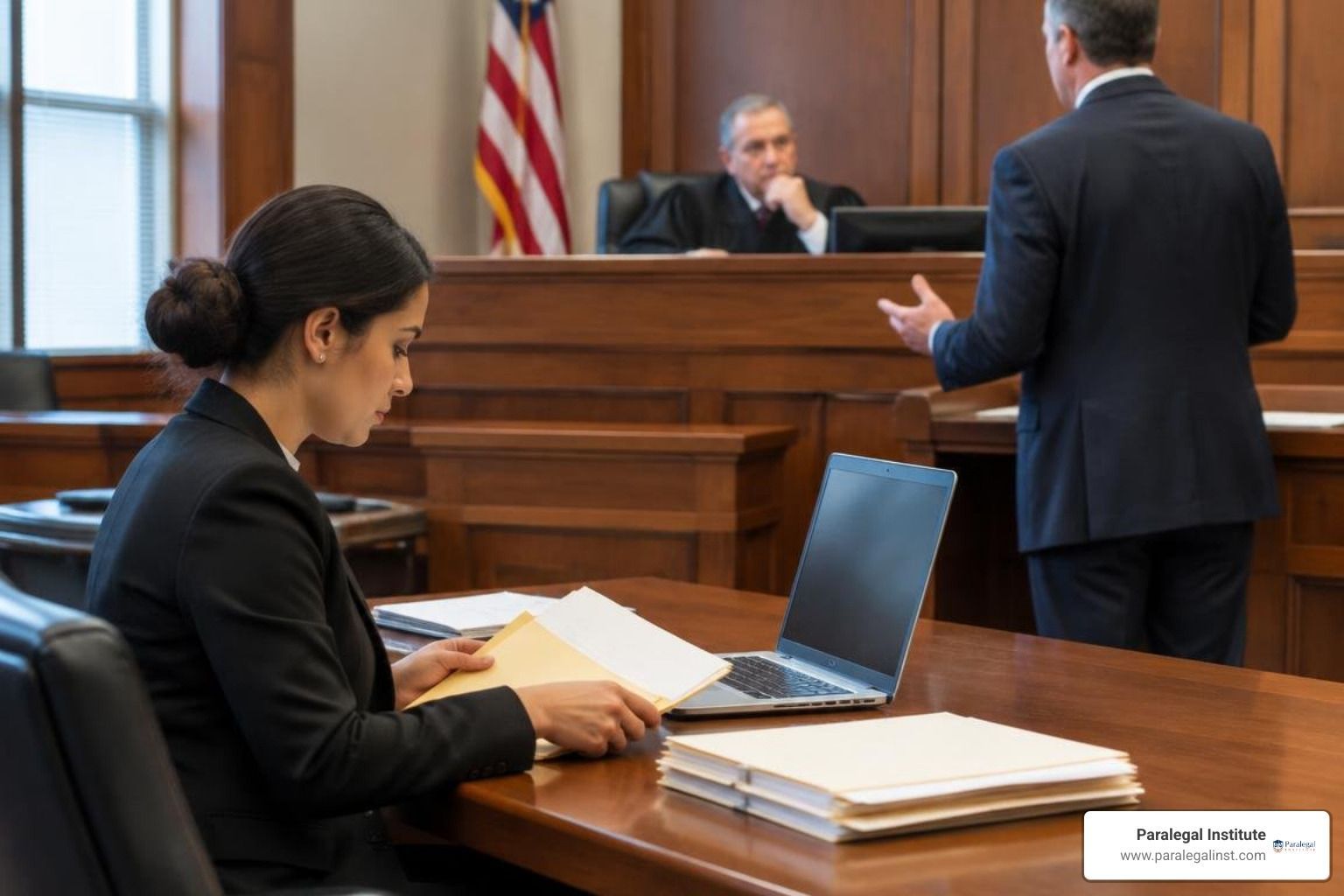
Why Remote Freelance Paralegal Work Is One of the Fastest-Growing Legal Careers Right Now
Freelance paralegal jobs remote are in high demand — and the opportunities are real. Here's a quick look at where to find them and what to expect:
Top places to find remote freelance paralegal jobs:
- Indeed (25+ remote paralegal listings)
- LinkedIn (growing number of remote legal roles)
- Upwork (paralegal services category)
- Axiom (remote and flexible legal engagements)
- State-level freelance directories
What you can earn:
- Contract roles: highly competitive hourly rates
- Full-time remote roles: substantial annual salaries
- Specialized contract work (e.g., family law): premium rates for specialized expertise
Common practice areas hiring remotely:
- Civil litigation and discovery
- Family law and probate
- Corporate and contract management
- Criminal law
- Wills, trusts, and estate planning
The legal field is growing fast. The U.S. Bureau of Labor Statistics projects 14% growth in paralegal demand by 2031 — much faster than most other occupations. At the same time, remote work has become a permanent fixture in the legal industry, not just a pandemic-era workaround.
That combination is creating a real opening for people who want to enter the legal field without being tied to a traditional office job.
Whether you want to work for multiple law firms on a project basis, take on part-time contract work, or build a full freelance practice from home — the market for remote legal support is growing, and the barrier to entry is lower than most people think.
I'm Matthew Pfau, a practicing attorney who has hired and trained many paralegals over the course of my career, which is what inspired me to build the curriculum at Paralegal Institute. I've seen what skills help paralegals land freelance paralegal jobs remote — and what holds candidates back. In this guide, I'll walk you through everything you need to know to get started.
What Are Freelance Paralegal Jobs Remote?

When we talk about freelance paralegal jobs remote, we are referring to legal support professionals who operate as independent contractors (typically under a 1099 tax status) rather than permanent, single-firm employees. These professionals handle critical casework, document preparation, and administrative tasks from a home office or any remote location.
In the modern legal industry, attorneys frequently face caseload spikes, seasonal demands, or highly specialized projects. Instead of taking on the overhead of a salaried, full-time staff member, law firms contract with freelance paralegals to handle the overflow. This arrangement provides firms with on-demand expertise and gives paralegals the ultimate flexibility to set their own hours and choose their clients.
If you want to understand the broader landscape of how remote work has transformed the legal profession, check out our paralegal remote jobs guide 2026.
Key Differences Between Freelance and Traditional Paralegal Roles
The shift from a traditional, in-office paralegal role to a remote freelance position changes how you work daily. Understanding these differences is crucial before launching your freelance career:
- Employment Status: Traditional paralegals are W-2 employees tied to a single law firm or corporation. As a freelancer, you are a business owner (usually a sole proprietor or LLC) operating on a 1099 contract basis.
- Client Management: Instead of reporting to one managing partner, a freelance paralegal often manages relationships with multiple attorneys simultaneously, balancing different workloads and firm cultures.
- Project-Based Work: Traditional roles involve a continuous flow of general office tasks. Freelance roles are typically highly project-focused, such as drafting a specific set of discovery responses, preparing trial binders for an upcoming court date, or auditing outside counsel billing files.
- Flexibility and Autonomy: Traditional roles require set office hours. As a remote freelancer, you control your schedule, allowing you to manage your work-life balance on your own terms.
To learn more about what it takes to transition to this lifestyle, read our guide on becoming a work from home paralegal.
Core Responsibilities of a Remote Freelance Paralegal
A remote freelance paralegal handles many of the same substantive legal tasks as an in-office professional, adapted for a digital environment. These core responsibilities include:
- Document Drafting: Preparing pleadings, motions, settlement agreements, and routine correspondence.
- Discovery Support: Managing the discovery process by drafting interrogatories, requests for production, and organizing incoming document productions.
- Casework and Case File Management: Organizing digital case files, tracking milestones, and ensuring all documentation is accurately indexed in a firm's digital filing system.
- Legal Research: Using online databases to research statutes, local court rules, and case law, then summarizing those findings for attorney review.
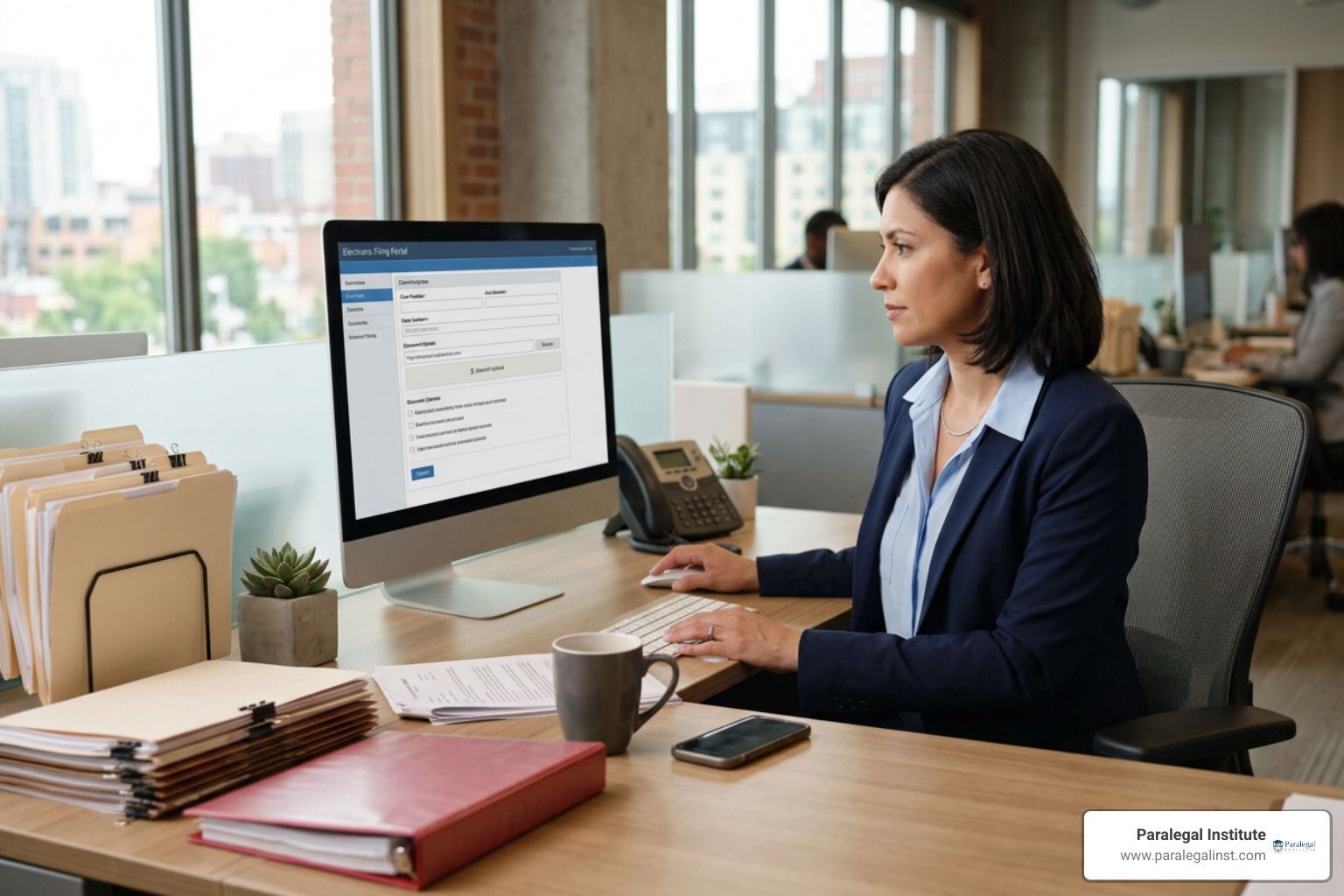
- E-Filing: Preparing and filing legal documents directly with state and federal courts using electronic filing portals.
- Calendar Management and Docketing: Tracking court deadlines, scheduling depositions, and coordinating hearings to ensure the legal team never misses a critical date.
Top Practice Areas for Remote Freelance Paralegals
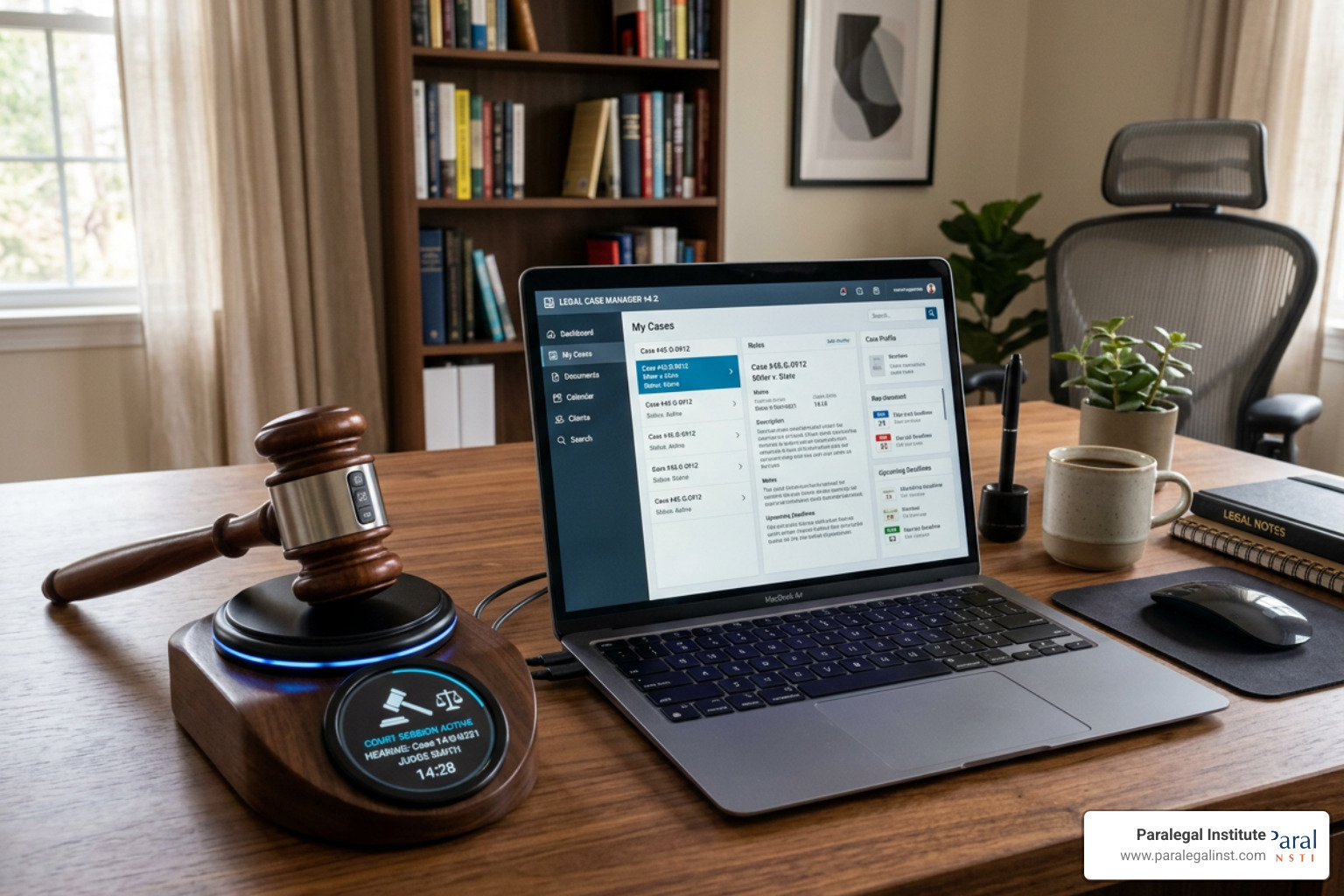
Not all legal specialties are equally suited for remote work. Certain practice areas rely heavily on document preparation, digital filing, and independent research, making them prime targets for remote freelance paralegals.
Civil Litigation and Discovery Support
Civil litigation is one of the most consistent sources of contract work. Law firms handling business disputes, personal injury, or insurance defense often experience massive surges in document review and discovery demands during active lawsuits.
Remote paralegals in this space draft initial complaints, answer discovery requests, prepare medical chronologies, and compile trial exhibits. For example, firms often seek specialized support for tasks like billing audits and litigation workflows, as seen in this Paralegal (Remote) | Hireza opportunity.
Litigation support also includes reviewing outside counsel invoices for compliance with billing guidelines. This highly detailed work can be done entirely from home, as demonstrated by the contract role for a Remote Paralegal (Legal Billing & Litigation Support) | Wfh.
Family Law and Probate Casework
Family law and probate are highly document-intensive fields that translate perfectly to a remote environment. Solo practitioners and boutique firms often need remote contract support to manage the constant flow of paperwork required for divorces, child custody modifications, estate planning, and probate administration.
Typical tasks in family law and probate include drafting petitions, preparing financial disclosures, organizing asset portfolios, and setting up digital probate files. If you are interested in this specialty, you can find active remote contract listings like this Contract Family Law Paralegal (Remote) | Hirro to get an idea of what firms expect.
How to Find Remote Legal Work
Finding remote contract opportunities requires a proactive, multi-channel approach. Because you are looking for remote work, you are not limited to your local geographic area, though you must always ensure you are working under the supervision of an attorney licensed in the jurisdiction where the case is active.
Top Platforms for Finding Freelance Paralegal Jobs Remote
When searching for remote contract work, several specialized job boards and freelance networks stand out:
- FlexJobs: A vetted job board dedicated exclusively to remote and flexible employment, offering excellent listings for remote legal support roles. You can explore their listings directly at Remote Paralegal Jobs - Work From Home & Online - FlexJobs.
- LinkedIn: An invaluable tool for finding contract opportunities. You can filter by remote work and contract types. For those based in or looking to work with firms in our home market, you can search for listings like 9 Virtual Paralegal jobs in Las Vegas Metropolitan Area - LinkedIn.
- Axiom: A major legal talent platform that connects experienced legal professionals, including paralegals, with remote and flexible contract opportunities inside major corporations and law firms. Learn more about their model at Paralegal Remote Jobs - Find Full or Part-time Legal Careers | Axiom.
- Upwork: A general freelance marketplace with a dedicated category for legal services, where solo attorneys post short-term drafting and research projects.
To organize your approach, read our comprehensive guide on executing a successful paralegal job search.
Strategies for Landing Remote Legal Work with No Experience
If you are new to the field, landing your first remote contract can feel like a challenge. However, attorneys are always looking for reliable, detail-oriented support. Here is how you can position yourself for success:
- Build a Strong Portfolio: Create clean templates of standard legal documents (pleadings, discovery requests, professional correspondence) that you drafted during your training to show attorneys your practical capabilities.
- Target Entry-Level and Support Roles: Look for dual-role administrative and legal positions to get your foot in the door. For example, roles like this Remote Legal Secretary (Paralegal Certified, Civil Litigation) | Hireza combine administrative execution with substantive paralegal tasks, making them excellent stepping stones.
- Leverage Remote Job Boards: Focus on positions specifically designed for those starting out, which you can find through our list of remote entry level paralegal jobs.
- Highlight Transferable Skills: If you have prior experience in administration, customer service, or data entry, emphasize how those skills make you highly organized and capable of working independently.
For a deeper dive into breaking into the field, check out our guides on securing a remote paralegal no experience role and how to land a paralegal job without experience.
Essential Skills and Qualifications for Remote Legal Work
To succeed in a remote setting, a freelance paralegal needs a robust mix of substantive legal knowledge and strong self-management skills. Because you won't have an attorney sitting in the next office to answer quick questions, you must be resourceful, highly organized, and technically proficient.
The Value of a Paralegal Certificate
While some states do not have strict educational requirements to work as a paralegal, most attorneys will not hire a freelancer who lacks formal training. A paralegal certificate from a respected program serves as proof that you understand the fundamentals of legal research, document drafting, and ethical boundaries.
At the Paralegal Institute, we offer a 15-week paralegal certificate program designed to deliver practical, workforce-ready skills immediately. Whether you choose our online format with live instruction or our in-person classes, you will learn directly from practicing legal professionals. This hands-on training is far more practical and cost-effective than a slow-paced traditional degree program, allowing you to enter the workforce faster and start earning sooner.
To learn more about how to position yourself for hiring partners, read our advice on how to get paralegal job and explore our paralegal job complete guide.
Technology and Tools for Remote Casework
To run an efficient remote freelance business, you must be comfortable using modern digital tools:
- Secure Document Management: Familiarity with cloud-based document storage and sharing portals to keep client files organized and confidential.
- E-Filing Portals: Understanding how to navigate federal (PACER) and state-specific electronic filing systems.
- Time Tracking and Billing Systems: Tools to accurately log your billable hours and generate professional invoices for your attorney clients.
- Legal Research Databases: Proficiency in navigating research tools to locate statutes, regulations, and relevant case law.
Managing Your Freelance Paralegal Business
Operating as a remote freelancer means you are running a business. You must manage client relationships, handle administrative tasks, and stay compliant with local regulations.
| Business Aspect | Freelance Paralegal | Traditional Employee |
|---|---|---|
| Tax Status | 1099 Independent Contractor (Responsible for self-employment taxes) | W-2 Employee (Taxes withheld by employer) |
| Client Base | Multiple law firms, corporations, or solo practitioners | Single employer |
| Work Schedule | Self-determined, project-based hours | Fixed hours set by the employer |
| Overhead & Tools | Must provide own computer, software, and secure workspace | Office space and equipment provided by firm |
| Billing & Invoicing | Must track hours and send monthly invoices to clients | Paid on a regular payroll schedule |
When operating as a freelancer, you must always remember that paralegals cannot work directly with the general public. Under state ethical rules, all paralegal work must be performed under the direct supervision of a licensed attorney. When marketing your services, your target audience should always be law firms, corporate legal departments, and solo practitioners.
For more insights on managing your legal career, check out our expert paralegal career advice.
Frequently Asked Questions About Remote Legal Support
Can I work as a freelance paralegal jobs remote without prior law firm experience?
Yes, it is entirely possible to secure entry-level remote contract work, but you must have a solid foundation of practical training. Attorneys need to know that you understand legal terminology, document formatting, and court rules. Earning a paralegal certificate through a program focused on real-world legal skills is the best way to prove your readiness to prospective clients.
What qualifications do I need to work as a remote freelance paralegal?
Most attorneys look for candidates who hold a paralegal certificate from a structured training program. Beyond formal education, you need excellent written communication skills, strong attention to detail, and a reliable home office setup. Preparing for interviews by reviewing our paralegal interview tips will help you confidently explain your qualifications to potential clients.
How do remote freelance paralegals handle client confidentiality?
Confidentiality is a cornerstone of the legal profession. As a remote freelancer, you must take active steps to protect sensitive client data. This includes using secure, password-protected internet connections (never public Wi-Fi), utilizing encrypted email services, maintaining separate digital folders for different clients, and ensuring your physical workspace is private.
Conclusion
The rise of freelance paralegal jobs remote represents a massive shift in how legal services are delivered. For law firms, contract paralegals offer a flexible, cost-effective way to handle fluctuating workloads. For you, it offers an incredible path to a flexible, rewarding career in the legal field—all from the comfort of your home.
If you are ready to make this career transition, the first step is getting the practical, hands-on training that attorneys trust. The Paralegal Institute offers a live, accelerated 15-week paralegal certificate program that gives you the exact skills you need to hit the ground running.
Whether you join our online classes with live instruction or study in-person at our Las Vegas, NV campus, you will learn from practicing attorneys who know exactly what it takes to succeed in today's digital legal market.
Get started with remote entry-level paralegal jobs today and take control of your career!