Why Paralegal Family Law Offers a Rewarding Career Path
Paralegal family law involves supporting attorneys with divorce, child custody, adoption, and other family-related legal matters. These specialized paralegals are crucial team members who draft legal documents, conduct client interviews, manage case files, and assist with court filings. Working in private law firms, government agencies, or legal aid societies, they need strong communication, organization, empathy, and emotional resilience.
The job outlook for paralegals is strong, driven by an increased demand for legal services. The field is especially vital as many family court litigants are self-represented, creating significant opportunities for trained paralegals to bridge the gap between complex legal processes and clients needing guidance through emotionally challenging situations.
Family law paralegals experience the full spectrum of human emotions—from the joy of adoptions to the difficulties of divorce. The work demands both professional competence and genuine compassion, as paralegals are often the primary point of contact for clients during vulnerable moments.
I'm Matthew Pfau, and throughout my legal career, I've seen how properly trained paralegals in paralegal family law become indispensable team members who make a real difference in clients' lives. My experience has shown me that their exceptional interpersonal skills and legal knowledge are invaluable.
The Heart of the Matter: A Deep Dive into Paralegal Family Law

Working in paralegal family law means stepping into a world where legal expertise meets raw human emotion. It's where you'll help families steer their most challenging moments—from joyful adoptions to difficult divorces. If you want to make a real difference while building a solid legal career, this specialization offers something truly meaningful.
What is a Family Law Paralegal?
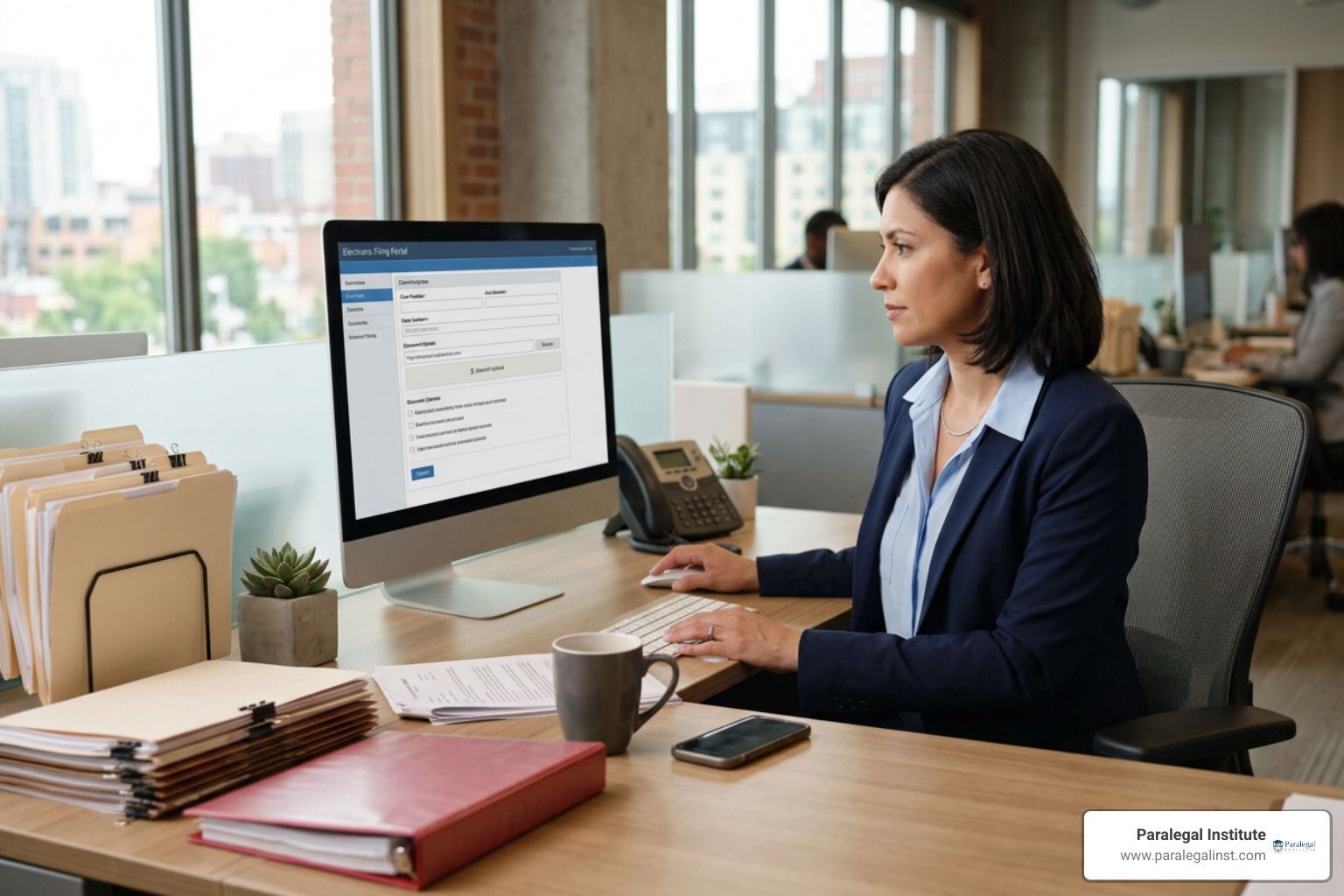
A family law paralegal is the backbone of a family law practice, serving as the attorney's trusted partner. While you can't give legal advice, you handle nearly everything else that keeps cases moving, clients informed, and paperwork flowing. Your days revolve around being a client liaison, explaining legal processes, and gathering information. You'll draft divorce petitions, custody agreements, and financial affidavits, and manage court filings to ensure deadlines are met. The variety is remarkable, covering divorce, child custody, adoption, and support issues. Your typical workday includes client communication, legal document preparation, financial document organization, court filing coordination, and calendar management.
A Day in the Life of a Paralegal in Family Law
Picture a day filled with variety: reviewing schedules, answering client calls, and organizing financial documents. Paralegal family law work is . You'll constantly shift gears, from explaining the findy process to a client to coordinating a deposition with opposing counsel. Document drafting is a major component, from preparing motions for child support to organizing exhibits for a hearing. The findy process demands attention to detail as you help clients gather financial records. Court filings require precision to meet strict deadlines. Through it all, client communication is key. It's a high-pressure environment because cases involve people's children and financial security. But this intensity also makes the work incredibly rewarding when you help a family reach a fair resolution.
Essential Skills for Success
Success in paralegal family law requires a unique mix of technical skills and personal qualities.
- Communication: You must explain complex legal concepts to stressed clients, coordinate with attorneys, and present information clearly. Strong listening and writing skills are essential.
- Organization: You'll manage multiple cases, each with its own deadlines and documents. A missed deadline can derail a case, so attention to detail is critical.
- Empathy and Resilience: Empathy helps you connect with clients, while resilience protects you from emotional burnout. You must learn to care deeply while maintaining professional boundaries.
- Attention to Detail: Accuracy is vital in legal documents. Your careful review prevents costly errors.
- Legal Research: Skills gained through programs like Legal Research Skills Training help you find relevant statutes and court rules to support the attorney's work.
- Time Management: Juggling multiple cases with competing priorities requires you to assess urgency and work efficiently under pressure.
Building Your Career: Education and Outlook
Starting a career in paralegal family law means choosing to be part of people's most important life moments. Whether helping a family through a divorce or celebrating an adoption, this field offers both stability and purpose. The best part? You can get started with the right training in just a few months.
Your Path to Becoming a Paralegal
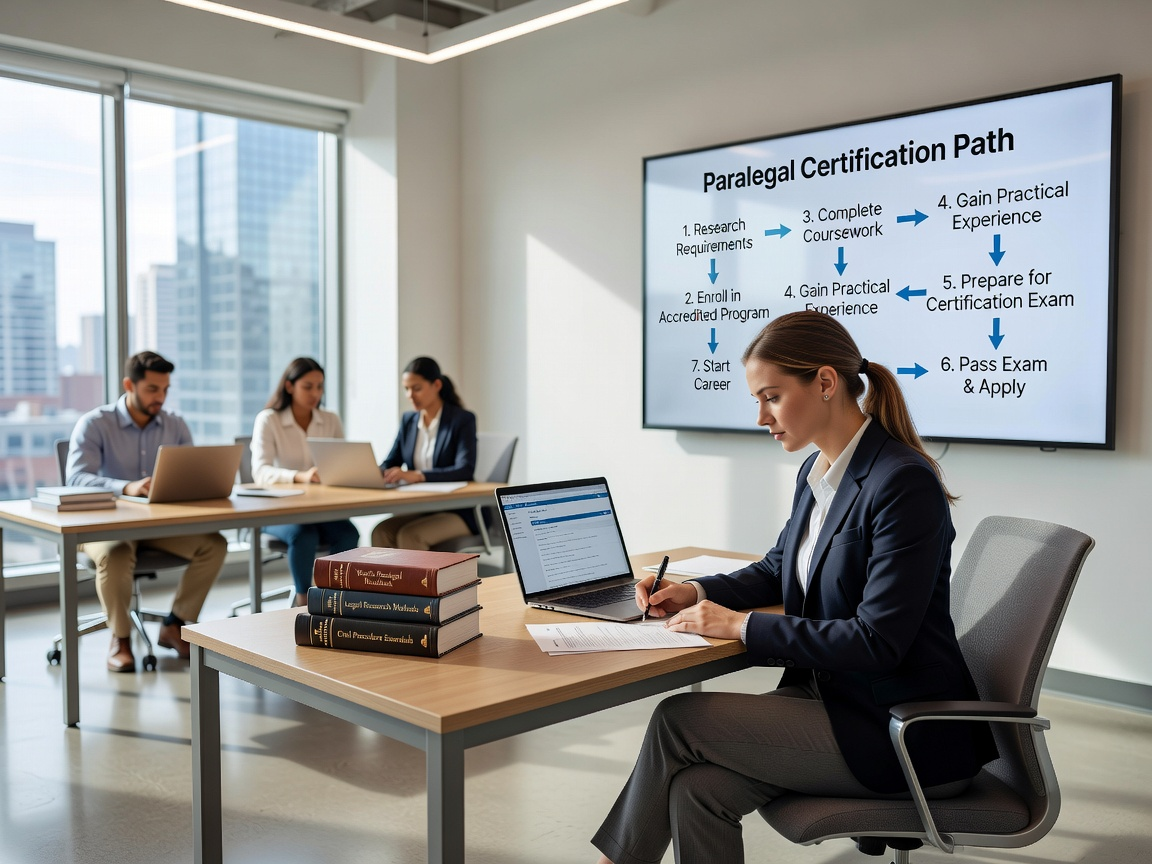
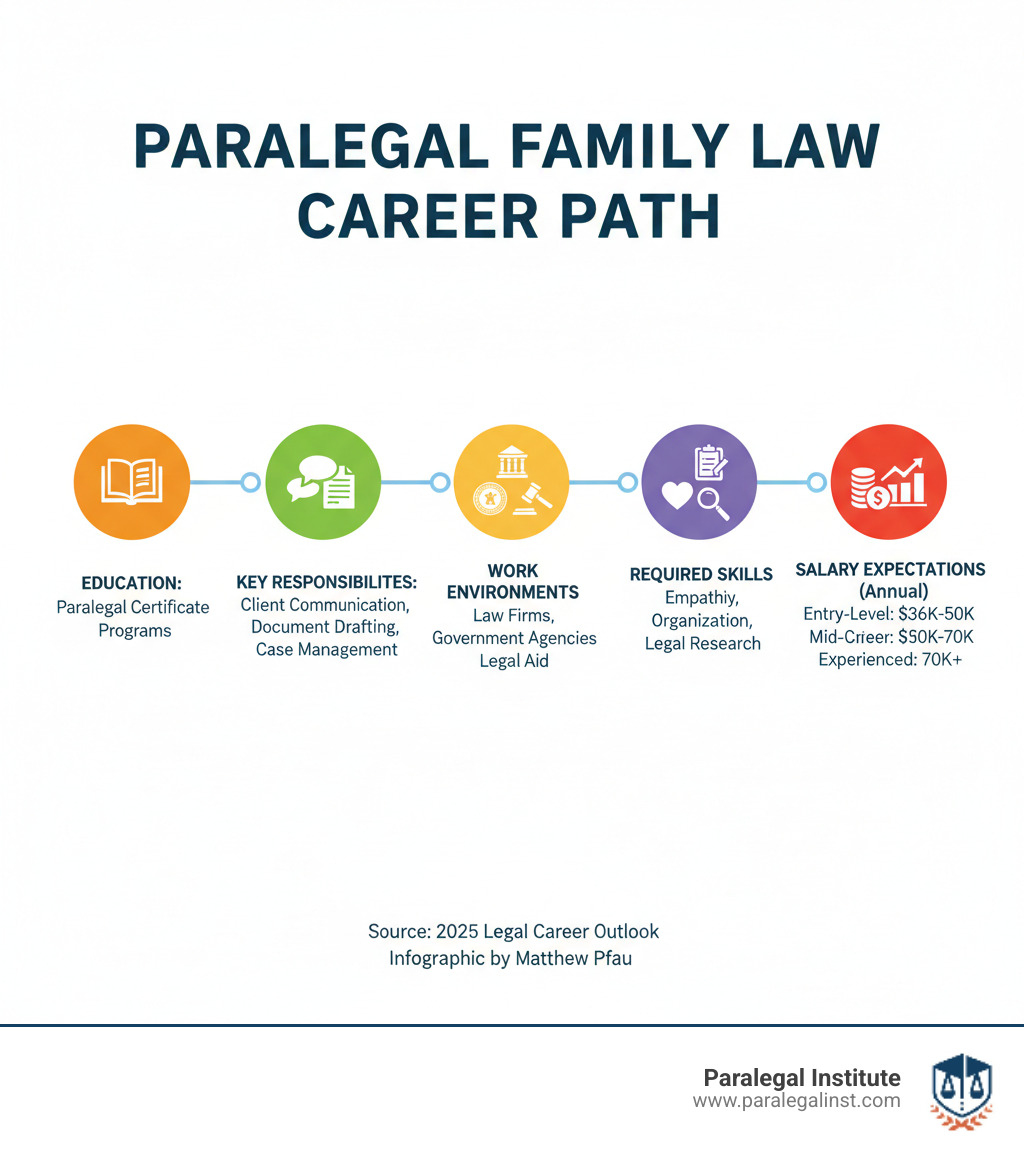
Becoming a paralegal family law professional is like learning a skilled trade. Most employers want to see that you've completed formal paralegal education. Our Paralegal Studies program takes a practical, hands-on learning approach to get you job-ready fast. You won't just read about legal work—you'll do it.
Our training is designed and taught by practicing legal professionals who know exactly what skills you need because they use them every day. For those eager to start quickly, our Accelerated Paralegal Programs offer an intensive path forward, packing comprehensive training into a shorter timeframe. Our programs prepare you to contribute from your first day on the job.
Salary and Job Market Outlook
Can you make a good living as a paralegal family law professional? The answer is a solid yes, with room for growth. The job growth projections for paralegals remain steady, and family law offers excellent stability because people consistently need legal help with life's major events, regardless of economic conditions.
When it comes to competitive compensation, several factors determine your earning potential. Experience level plays the biggest role; as you develop your skills, your salary can grow significantly. Geographic location also makes a difference, with urban areas often offering higher pay. Finally, firm size can impact your paycheck, though smaller firms might offer other advantages like more diverse responsibilities and faster career advancement.
Where Do Family Law Paralegals Work?
One of the most appealing aspects of a paralegal family law career is the variety of workplaces. Your skills are valuable across many settings.
- Private law firms are the most common setting, from small boutiques offering broad exposure to large firms with dedicated family law departments.
- Government agencies offer a rewarding path. Child protective services and child support enforcement agencies rely on paralegals to assist attorneys in cases involving child welfare and financial support.
- Non-profit organizations and legal aid societies provide some of the most meaningful opportunities. Here, you become a crucial part of ensuring access to justice for low-income individuals.
Whether you're drawn to private practice or public service, there are diverse opportunities for an Entry Level Paralegal Job in family law.
The Evolving Landscape of Family Law for Paralegals

The world of paralegal family law is changing. What started as a support role has evolved into something more dynamic, as technology meets human need and creates new opportunities for paralegals to make a real difference.
Expanding Roles and Access to Justice
Too many families can't afford legal help. With 58% of family court litigants representing themselves, there's a massive gap in access to legal guidance. Paralegal family law professionals are stepping up to bridge this gap, taking on increased responsibilities.
In some jurisdictions, this evolution has taken concrete form, allowing specially trained paralegals to provide direct legal services to families. They can help with process navigation, guiding people through court procedures and preparing specific documents. By offering focused, affordable services, paralegals are enhancing access to legal services for families who earn too much for free legal aid but can't afford a full-service attorney. This means paralegals are increasingly working with self-represented litigants, helping them understand their options and complete necessary paperwork.
Paralegal vs. Lawyer: Understanding the Key Differences
While the paralegal role is expanding, it's crucial to understand the ethical boundaries. The fundamental difference is the scope of practice. Lawyers are licensed to give legal advice, represent clients in court, and take full responsibility for a case's legal strategy.
Paralegal family law professionals work under attorney supervision and cannot provide legal advice. While lawyers focus on complex legal strategy, paralegals handle the detailed, hands-on work that keeps cases moving. They can explain court procedures, help gather documents, and provide practical support. They draft documents, conduct interviews, and manage the day-to-day aspects of a case.
Our Professional Legal Training Course emphasizes these distinctions. The most successful paralegals excel within their role, ensuring everything runs smoothly while the attorney focuses on legal strategy. Think of the attorney as the architect and the paralegal as the skilled contractor who ensures the plan is executed correctly and on time.
Beyond Family Law: Exploring Other Paralegal Specializations
While paralegal family law offers a deeply rewarding career path, the foundational skills you develop in a paralegal training program are versatile. Core competencies like legal research, document drafting, and case management are valuable across the entire legal profession.
- Corporate law paralegals work in business, drafting contracts, managing corporate records, and assisting with mergers and acquisitions. The work requires meticulous attention to detail.
- Litigation paralegals thrive in courtroom battles. They draft pleadings, manage evidence, and prepare for trial, demanding superior organizational skills under pressure.
- Real estate law paralegals facilitate property transactions. They draft purchase agreements, conduct title searches, and prepare closing documents, requiring precision to ensure smooth transfers.
- Intellectual property paralegals help protect creative assets like patents and trademarks. They assist with applications, conduct searches, and manage portfolios.
- Criminal law paralegals support attorneys in criminal cases. They assist with investigations, review police reports, and prepare motions, requiring strong analytical skills and emotional resilience.
Here's how these specializations compare in terms of focus and required strengths:
| Family Law | Corporate Law | Litigation |
|---|---|---|
| Focus: Divorce, custody, adoption, support matters | Focus: Business transactions, mergers, compliance | Focus: Court disputes, trials, discovery |
| Key Skills: Empathy, communication, emotional resilience | Key Skills: Analytical thinking, financial document review | Key Skills: Organization, pressure management, research |
| Daily Tasks: Client interviews, custody agreements, court filings | Daily Tasks: Contract drafting, due diligence, corporate records | Daily Tasks: Motion drafting, evidence management, trial prep |
What makes paralegal education so valuable is this transferability. The research skills you learn in family law apply equally to corporate compliance, and document drafting skills translate across specialties. Many paralegals work in multi-practice firms, gaining exposure to various areas of law. Whether you're drawn to the human drama of paralegal family law or the technical precision of another field, your paralegal training provides the foundation for a dynamic career.
Frequently Asked Questions about a Career in Family Law
Starting a career in paralegal family law brings up plenty of questions. Here are the answers to the ones we hear most often.
What are the biggest challenges of being a family law paralegal?
Working in paralegal family law is rewarding but comes with challenges. The emotional toll is significant, as you work with families during crises like divorce and domestic violence. High-conflict cases can be draining, requiring thick skin and excellent communication. You'll also spend time managing client expectations about the legal process, which can be slower and more complex than they anticipate. Finally, maintaining professional boundaries is crucial; you must remain empathetic without becoming emotionally invested in outcomes you can't control.
What types of documents does a family law paralegal prepare?
Document preparation is a core function for paralegal family law professionals. You will draft a wide range of documents, including:
- Initial Pleadings: Divorce petitions that start the legal process.
- Parenting and Custody Documents: Detailed custody agreements and parenting plans that map out co-parenting responsibilities.
- Financial Documents: Complex child support worksheets and financial affidavits that detail a person's complete financial picture.
- Motions and Court Filings: Documents that ask the court for specific actions, such as temporary support or custody orders.
- Findy Documents: Interrogatories (written questions) and requests for documents to gather evidence from the opposing side.
- Settlement Agreements: Comprehensive agreements that resolve all issues in a case, from property division to parenting arrangements.
- Adoption Paperwork: The extensive documentation required to legally create new families.
How can I gain experience in family law?
Breaking into paralegal family law often requires experience. Here are several ways to get it:
- Internships: This is the best way to gain real-world experience. Many firms hire interns, and it can lead to a full-time job.
- Volunteering: Legal aid organizations offer great exposure to high-volume family law work while you help underserved communities.
- Professional Networking: Many jobs are filled through professional connections.
- Focused Coursework: Take family law classes during your paralegal training program to show employers your interest and knowledge.
- Informational Interviews: Reach out to family law paralegals on LinkedIn. Most professionals are happy to share advice about their work and how to get started.
The key is to be proactive. Combining a comprehensive paralegal training program with practical experience will position you for success.
Conclusion
It's clear that paralegal family law offers a career that combines professional growth with genuine human impact. When you choose this path, your skills directly help families steer their most challenging moments. Every document you draft helps someone move forward, protects a child's future, or brings a family together. This isn't abstract work—it's deeply personal and meaningful.
With steady job growth, competitive salaries, and opportunities in private firms, government agencies, and non-profits, paralegal family law provides both stability and variety. The field continues to evolve, with paralegals gaining more recognition and expanded roles.
At The Paralegal Institute, our program is designed for those who want to make a difference while building a solid career. Our 15-week training program focuses on the practical skills you'll use from day one, taught by practicing legal professionals. We know choosing a new career takes courage, but our hands-on approach ensures you'll graduate feeling confident and prepared.
Your journey toward a rewarding career in the legal field could start sooner than you think. Our Nevada Paralegal Training program is designed to get you workforce-ready quickly. The families you'll help and the legal teams that need your skills are out there.