Understanding the Essential Role of Paralegals in Today's Legal System
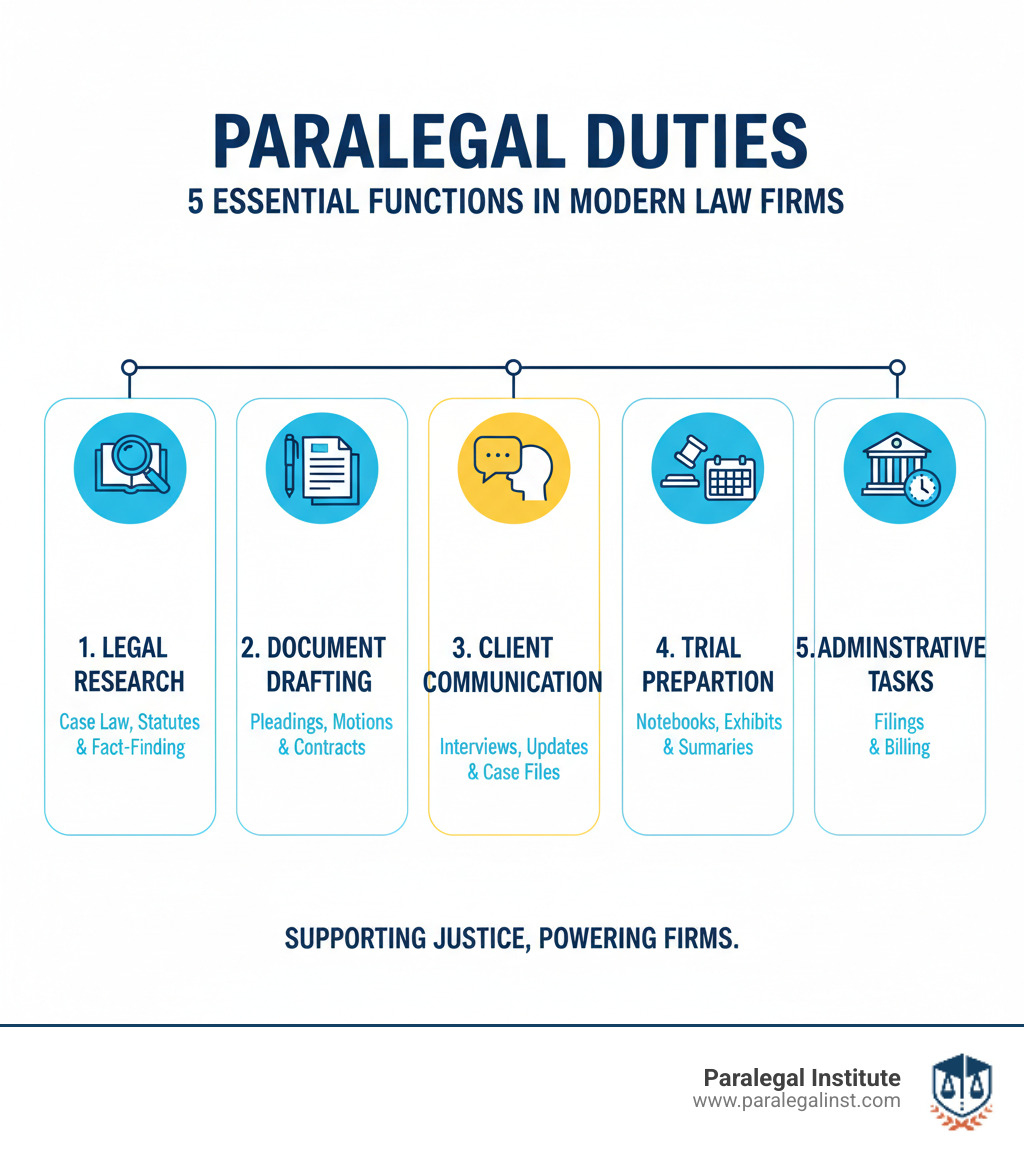
The 5 typical duties of paralegals form the backbone of legal support services that keep law firms running efficiently. These trained professionals handle substantive legal work under attorney supervision, making them indispensable members of any legal team.
The 5 Typical Duties of Paralegals:
- Conducting Legal Research and Investigation- Researching case law, statutes, and gathering facts through witness interviews and evidence collection
- Drafting and Managing Legal Documents- Preparing pleadings, motions, contracts, and correspondence while maintaining organized filing systems
- Managing Client Communication and Case Files- Conducting client interviews, organizing case materials, and tracking important deadlines
- Assisting with Trial Preparation- Creating trial notebooks, coordinating exhibits, and summarizing depositions and testimony
- Performing Case-Related Administrative Tasks- Handling court filings, scheduling depositions, and managing calendars and billing
Paralegals perform substantive legal work that would otherwise be handled by attorneys. This means they're not just doing administrative tasks; they're conducting research, drafting legal documents, and directly supporting case strategy. According to the Bureau of Labor Statistics, paralegals held about 376,200 jobs in 2024, with legal services being the largest employer at 74%.
The paralegal profession has evolved far beyond clerical support. Today's paralegals are skilled professionals who "conduct the bulk of a law practice's research" and draft everything from discovery requests to legal memoranda. Their work merges with an attorney's to serve clients effectively and is billed at a lower hourly rate.
As a law firm owner who has hired and trained numerous paralegals, I've seen how mastering the 5 typical duties of paralegals can make someone an invaluable team member. My experience developing legal curriculum has shown me exactly what skills matter most in this field.
The Core Function: Supporting Attorneys Through Substantive Legal Work

Paralegals do much more than basic office work; we perform substantive legal work under attorney supervision, handling tasks that require legal knowledge and analytical thinking.
This separates paralegals from legal assistants. While legal assistants focus on administrative tasks like filing and scheduling, paralegals dive into the legal substance of cases. We don't just organize files; we analyze them for legal significance. We don't just schedule depositions; we help prepare the questions.
Attorney supervision is key. Every piece of substantive work we do is overseen by a licensed attorney, which protects clients and ensures quality.
Important ethical considerations guide our work. As non-lawyers, we cannot establish attorney-client relationships, set legal fees, represent clients in court, or give legal advice. We can share legal information and explain processes, but we cannot tell clients what they should do legally.
Client confidentiality is sacred. Every document, conversation, and case detail remains completely private. This trust is fundamental to the legal system.
Our work merges with the attorney's, allowing them to focus on complex legal analysis and courtroom strategy while we handle detailed preparation. This improves law firm efficiency, as our time is billed at a lower rate than an attorney's, making legal services more affordable without sacrificing quality.
These fundamentals explain why paralegals are essential legal team members. To dive deeper, explore the essential role of paralegals in law firms.
The 5 Typical Duties of Paralegals Explained
Now that we understand the foundational role of a paralegal, let's dive into the 5 typical duties of paralegals that truly define our day-to-day contributions to the legal field. These responsibilities showcase why we're such valuable members of the legal team.
1. Conducting Legal Research and Investigation
Conducting legal research and investigation is one of the most intellectually stimulating aspects of paralegal work. Our research involves using legal research platforms like Westlaw and LexisNexis to search databases of statutory law(laws passed by legislative bodies) and case law(court decisions). We look for precedents that support our attorney's arguments or help anticipate the opposing side's strategy.
This duty also includes fact-gathering and investigation. We locate and interview witnesses, documenting their statements and assessing credibility. This can mean tracking down people who witnessed an accident or finding former employees who can shed light on a company's practices.
Evidence collection is another crucial investigative duty. In personal injury cases, we gather medical records and police reports, ensuring we have the proper authorizations. For a products liability case, we might collect photographs, product samples, and manufacturing records. Every piece of evidence could be key.
For example, in a slip-and-fall case, we might research building codes, interview employees about cleaning procedures, and gather surveillance footage. We then organize this information into research memoranda to help our attorney build the strongest possible case.
Our Legal Research Guide for Paralegals offers deeper insights into these processes.
2. Drafting and Managing Legal Documents
Drafting and managing legal documents is the voice of a case, where our attention to detail is paramount.
Under attorney supervision, we draft a variety of documents. Pleadings like complaints and answers start and respond to lawsuits. Motions ask the court for specific rulings. We also handle discovery requests like interrogatories(written questions), requests for production of documents, and requests for admissions.
Document drafting also includes contracts, settlement agreements, and legal correspondence. We create initial drafts based on research and attorney guidance, which the attorney then reviews, revises, and finalizes.
Beyond creation, we use document management systems to organize and track thousands of documents. E-discovery has revolutionized handling electronic information, requiring tech-savvy management of digital evidence.
A missing contract or misfiled motion can derail a case, which is why The Importance of Attention to Detail in Paralegal Work cannot be overstated.
3. Managing Client Communication and Case Files
Managing client communication and case files places us at the heart of the attorney-client relationship. We are often the primary point of contact, keeping cases moving forward smoothly.
Client interviews are a key part of our role. We gather essential information, help clients understand the legal process, and maintain ongoing communication. This requires excellent communication skills and empathy, especially with clients in difficult situations.
Good client relations involve providing case updates, explaining procedural steps (without giving legal advice), and helping clients feel supported. Our clear communication can reduce client stress during challenging times.
Case management is where our organizational skills are essential. File organization involves creating logical systems for physical and electronic files so every document can be found instantly.
Deadline tracking and calendaring are critical. Missing a legal deadline can seriously harm a client's case. We use case management software to calendar all important dates, streamline workflows, and track progress.
Information gathering is an ongoing process. We continuously update case files with new developments, ensuring attorneys have the most current information. This is why we constantly refine our Strategies for Paralegals to Stay Organized.
4. Assisting with Trial Preparation
When a case heads to trial, assisting with trial preparation becomes one of the most exciting and demanding aspects of paralegal work. This is where all the case work culminates.
Trial notebooks are our masterpieces of organization. These comprehensive binders contain everything an attorney might need in court, including witness lists, exhibit lists, legal research, and key arguments. They serve as the attorney's roadmap for the trial.
Exhibit organization requires meticulous detail. Every piece of evidence must be labeled, cataloged, and ready for presentation. We often create demonstrative evidence like charts or timelines to help juries understand complex information. This may also involve preparing electronic presentations for a digital courtroom.
Witness coordination is crucial before trial. We locate and contact witnesses, schedule interviews, and help prepare them for testimony review. We ensure everyone knows when and where they need to appear.
Deposition summaries are invaluable tools. We review lengthy deposition transcripts and create concise summaries of key points, admissions, and contradictions. These help attorneys quickly reference important testimony.
Courtroom assistance brings it all together. We may attend trial with the attorney to manage exhibits, take notes, and provide real-time support. It's high-pressure work where quick thinking and organization are critical. The practical skills emphasized in Building Practical Skills in Paralegal Training prove their worth here.
5. Performing Case-Related Administrative Tasks
Performing case-related administrative tasks is as important as substantive work for keeping cases on track. These essential duties directly impact case success.
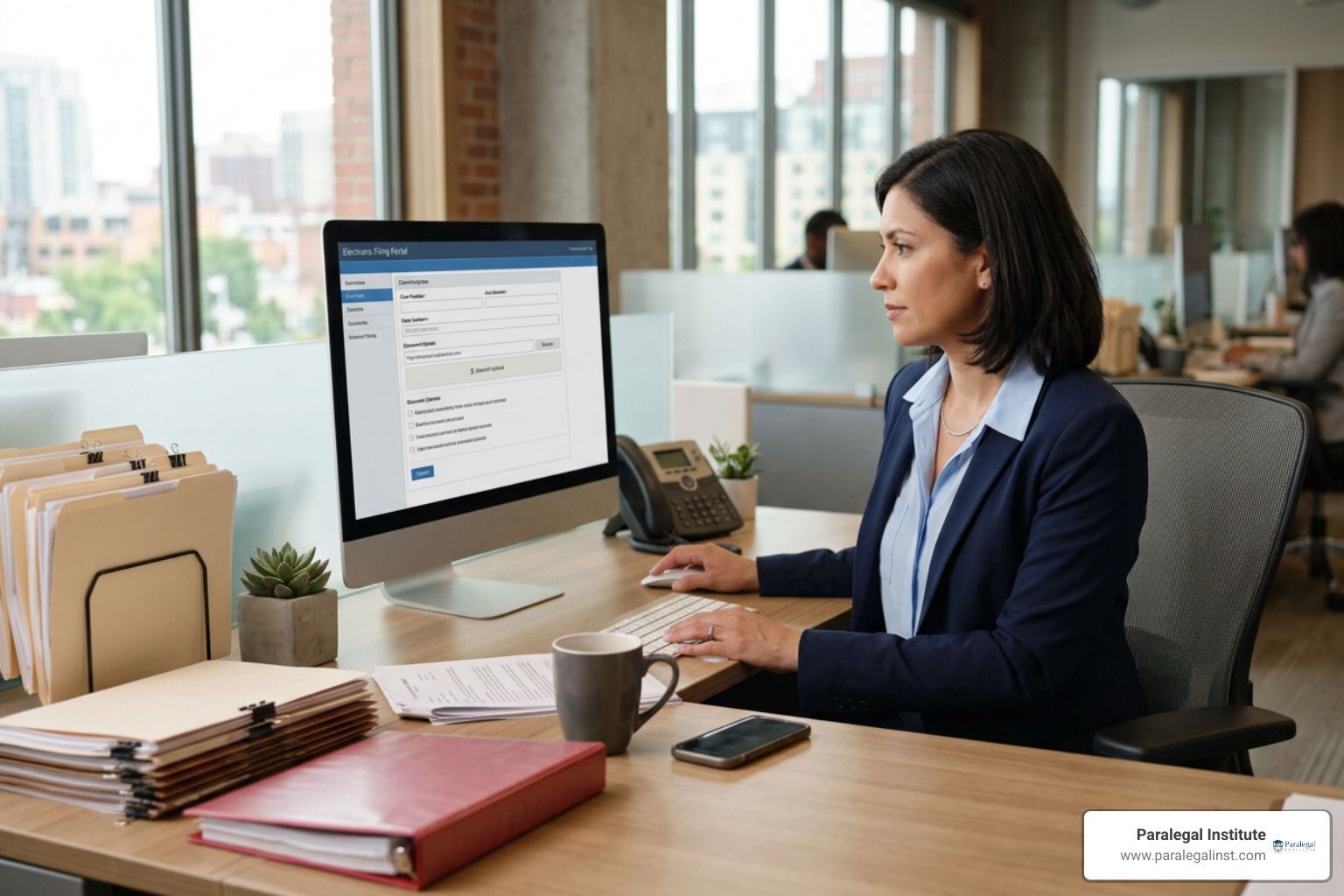
Court filings require precision and knowledge of strict court rules. We prepare documents for submission, ensuring they meet formatting requirements and deadlines. E-filing has revolutionized this process, requiring mastery of online court systems.
Scheduling depositions involves coordinating the busy schedules of attorneys, clients, witnesses, and court reporters. We also schedule mediations, client meetings, and expert witness interviews.
Managing calendars is a critical task. We maintain complex legal calendars tracking court dates, filing deadlines, and statutes of limitations to prevent missed deadlines.
Client billing and time tracking are often our responsibility. We use time tracking software to carefully record billable hours, ensuring accurate invoicing and transparency for clients.
Coordinating with vendors connects us to the broader legal services network. We work with court reporters, expert witnesses, process servers, and e-discovery providers, managing schedules and invoices.
These administrative duties require a deep understanding of legal procedures. Precise execution is the foundation that supports all the substantive legal work we do.
Where Do Paralegals Work? Exploring Different Legal Settings
Paralegal work extends far beyond traditional law firms, offering opportunities across diverse industries. According to the Bureau of Labor Statistics, while legal services employ 74% of paralegals, the rest work in government, finance, and other sectors.
Law firms are the most common destination, offering the chance to master all 5 typical duties of paralegals across various practice areas. Corporate law paralegals handle mergers and compliance, family law paralegals assist with divorce and custody, and criminal defense paralegals work with clients facing serious charges.
Corporate legal departments offer a different experience, where paralegals specialize in their company's industry. A tech company paralegal might focus on intellectual property, while one in manufacturing could handle environmental compliance.
Government agencies allow paralegals to serve the public interest. They work in district attorney's offices, for public defenders, or in agencies like the Environmental Protection Agency, helping to prosecute crimes, ensure legal representation, or enforce regulations.
Non-profit organizations attract paralegals passionate about social justice. They work for legal aid societies on housing or immigration issues, or for advocacy groups researching policy.
The finance and insurance industries are heavily regulated and need legal expertise. Paralegals there may review claims, investigate fraud, handle regulatory filings, or support litigation.
This diversity means you can tailor your career to your interests. A litigation firm is great for variety, while a corporate department offers specialized work. Government or non-profit work is ideal for those passionate about social justice.
For those interested in specific paths, exploring opportunities like Entry Level Corporate Paralegal Jobs or understanding a Personal Injury Paralegal Job Description can provide valuable insights.
Paralegal skills are transferable. The research, writing, and organizational abilities you develop apply across all these settings.
Frequently Asked Questions about the 5 Typical Duties of Paralegals
Here are answers to common questions about the paralegal role.
What is the main difference between a paralegal and a legal assistant?
This common question highlights a significant difference in roles. Legal assistants focus on administrative tasks that keep an office running: answering phones, managing schedules, and filing. Their work requires organization but not deep legal knowledge.
Paralegals, however, perform the 5 typical duties of paralegals —substantive legal work requiring an understanding of legal principles. We conduct legal research, draft complex documents, interview clients, and manage cases. A legal assistant handles the "business operations" of a law office, while a paralegal handles the "legal operations" of cases. This distinction impacts compensation and career opportunities.
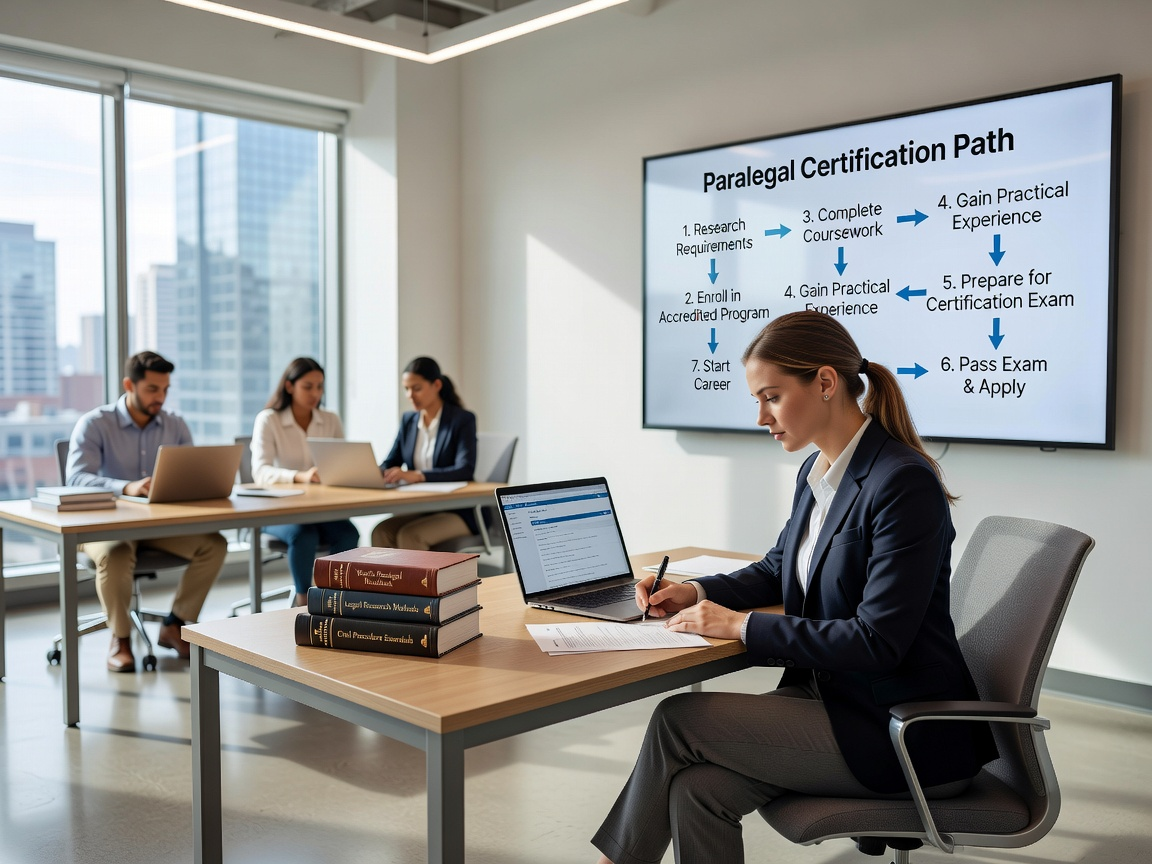
Most paralegals complete specialized training programs to develop these skills.
Can a paralegal give legal advice?
The answer is an unequivocal no. This is a critical ethical boundary. Legal advice involves interpreting laws for a specific situation and recommending a course of action, which only licensed attorneys can do. If a client asks for legal advice, we must redirect them to their attorney.
We can provide legal information, such as explaining how a deposition works or what documents are typically needed for a case. We always clarify our non-lawyer status to avoid confusion. Violating this rule is considered the Unauthorized Practice of Law (UPL) and has serious consequences. This is why attorney supervision is an ethical requirement.
While we maintain strict client confidentiality, the ultimate responsibility for legal counsel rests with the supervising attorney.
How has technology changed a paralegal's duties?
Technology has completely transformed the paralegal field, introducing tools that have revolutionized daily work.
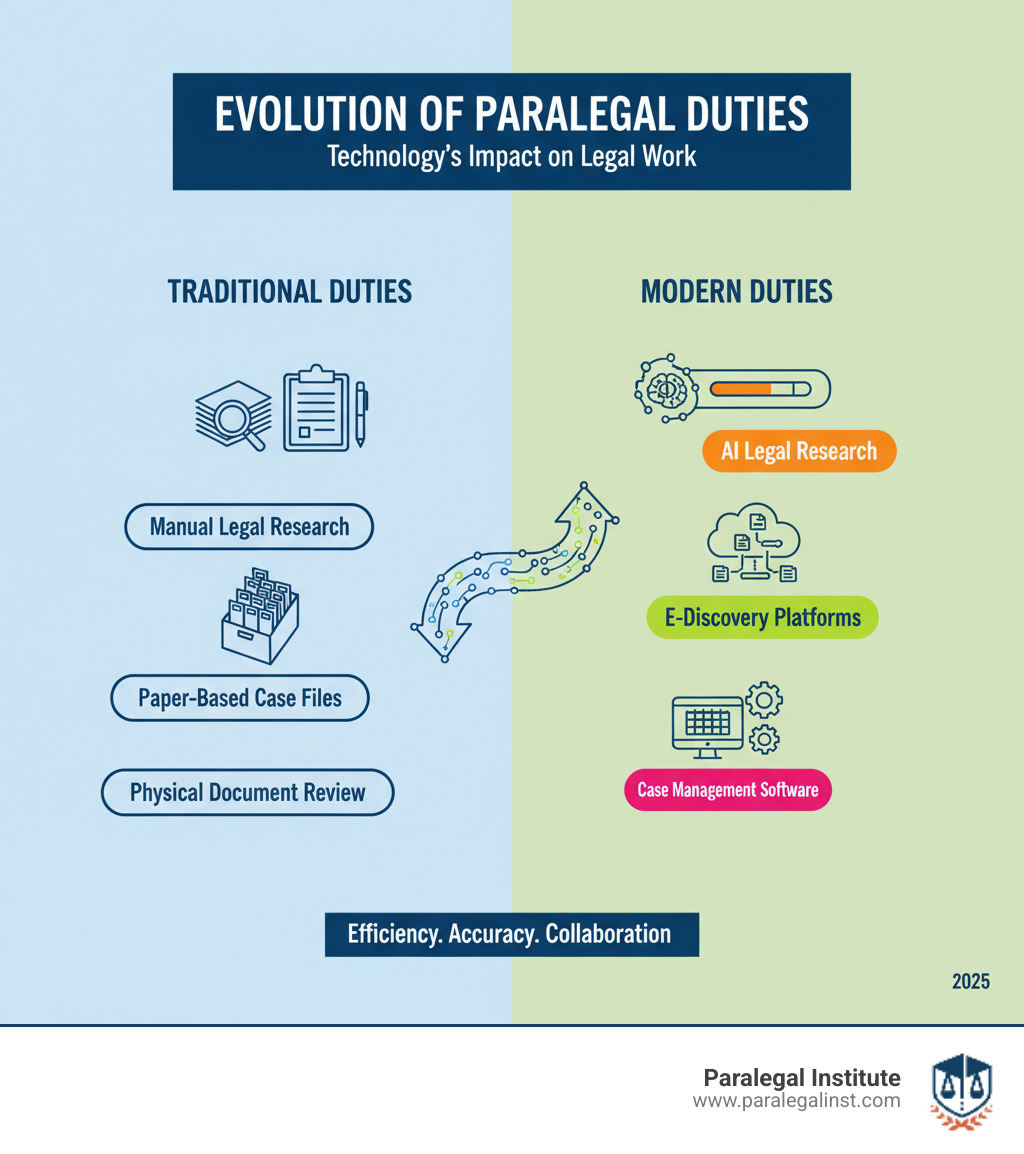
- Case management software centralizes client information, documents, deadlines, and billing, improving efficiency and collaboration.
- AI in legal research quickly scans databases for relevant case law, allowing paralegals to focus on deeper analysis and strategy.
- E-discovery platforms help us efficiently manage and review vast amounts of electronic evidence for litigation.
- E-discovery allows for the electronic submission of court documents, saving time and ensuring deadlines are met.
- Automation of routine tasks like document assembly and deadline tracking frees us to focus more on substantive legal work.
- Remote work capabilities offer greater flexibility and expand job opportunities, thanks to cloud-based systems and secure communication tools.
Staying current with technology is essential for adding value to our legal teams.
Conclusion
Reviewing the 5 typical duties of paralegals —from research and drafting to client communication and trial prep—reveals our vital role as the backbone of legal practice.
We have evolved beyond support staff into trusted professionals handling substantive legal work. The legal system works best when attorneys can focus on strategy, confident that their paralegal has carefully prepared the case.
The profession's diversity is one of its greatest strengths. Whether you enjoy investigation, precision drafting, or client relations, there's a place for you. With technology constantly evolving, the field remains dynamic and full of learning opportunities.
For those considering this career, practical skills are what set successful paralegals apart. Knowing how to organize a case file or draft a motion is more important than just understanding legal theory.
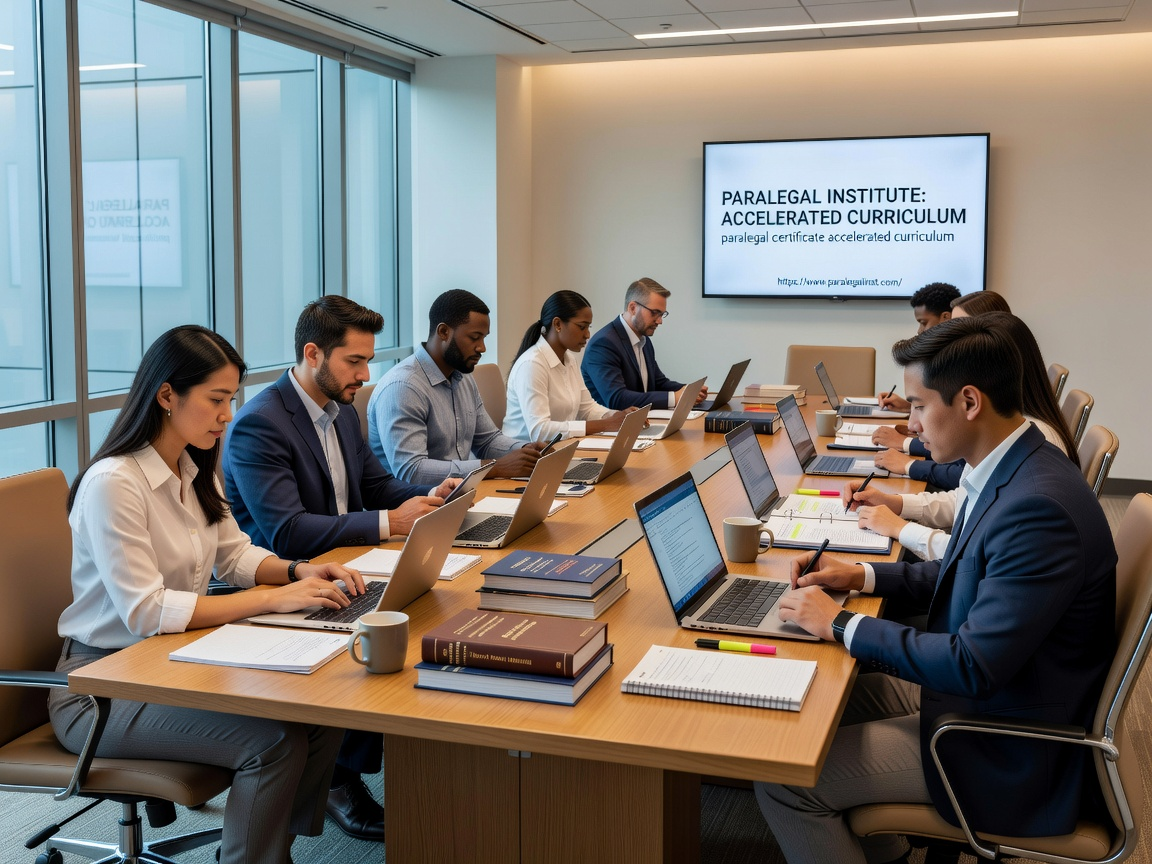
That's why we created our 15-week program at The Paralegal Institute. We focus on learning by doing. You won't just read about legal research; you'll conduct it using professional databases. You'll draft real pleadings and motions under the guidance of experienced attorneys.
Our hands-on training approach ensures you'll graduate ready to tackle all 5 typical duties of paralegals from day one, confident in the skills you've already practiced.
Ready to find how rewarding a paralegal career can be? Take a deeper look at the role of paralegals in law firms and see how our program builds the skills that make paralegals indispensable.