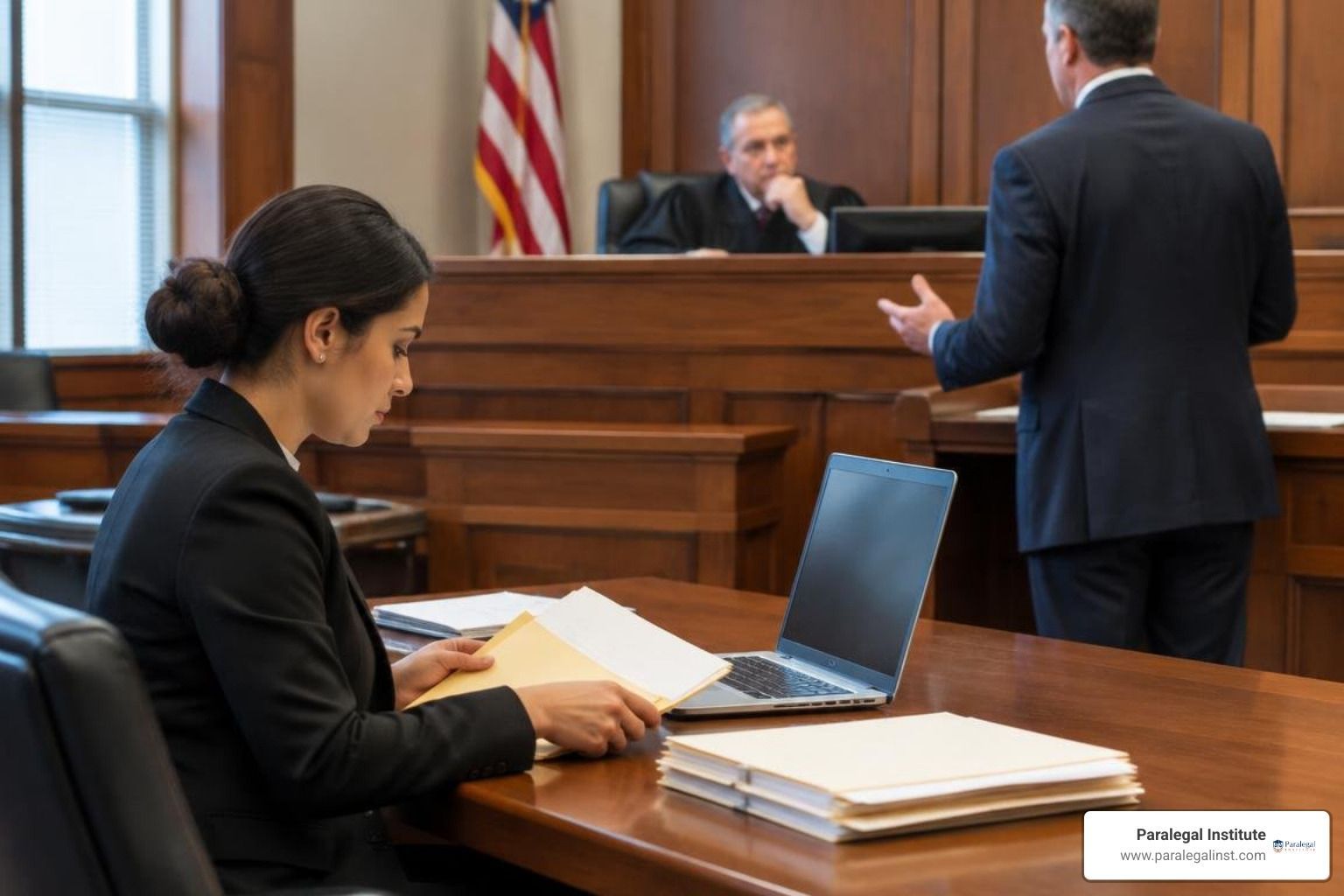
Starting a paralegal course is one of the first real steps into legal work. It's not just about sitting through lectures or memorizing case names. A course like this helps you build the habits and skills that matter in everyday work. Whether you're in Las Vegas, Nevada, or anywhere else, how you prepare before the job really shapes how you show up for it.
We've seen how much growth can happen before that first job interview. The work starts early. The minute you commit to learning, you start picking up the pieces that form your future routine. It's not just about learning law terms. It's about how you think, communicate, and pay attention to details. A strong paralegal course helps with all of that.
Understanding the Legal System
One of the most helpful things any course can offer is a calm, clear introduction to how the legal system actually works. We don't mean vague descriptions. We mean walking through what happens step by step, especially the pieces that involve paralegals the most.
• Learn how cases move through a court, from opening files to closing arguments
• Understand where a paralegal fits into each stage so nothing hits you by surprise later
• Get used to words, documents, and rules that come up a lot in real office settings
It's the kind of knowledge that gives you a solid footing. Instead of guessing what a summary judgment is or trying to figure out which court handles what, you'll already start with a basic map in your head. That kind of understanding helps you focus on doing the job, not catching up.
Building Legal Research and Writing Skills
We don't often talk about legal writing like it's a useful life skill, but it is. Legal writing is taught in a way that shapes how you organize thoughts, explain situations, and stick to the facts. These skills help in just about every legal office or firm.
• Learn how to pull useful details from court files or past cases
• Practice writing clear summaries, letters, and memos based on real research
• Get familiar with outlining facts, questions, and results so your writing can be used right away
By handling these tasks during the course, you learn what makes something good enough to hand off. Legal writing is simple but structured. Once you find your rhythm, it stops feeling so formal and just becomes how you work.
Becoming Detail-Oriented and Organized
Every legal office runs on deadlines, files, and paperwork. That kind of workload needs structure. It's easy to underestimate how quickly things pile up if you don't have a plan, so a strong course will help students build habits that hold everything together under pressure.
• Practice organizing documents and notes in a way you can return to days or weeks later
• Learn to set reminders, track changes, and handle schedules without needing someone to repeat instructions
• Understand how missing even small steps in a process can delay a case or create more work for others
No one expects perfection, especially early on. But being able to show that you have your own system in place goes a long way in showing you're reliable.
Exposure to Professional Communication
The way we speak and write in legal settings isn't too formal or overly casual, it's clear and purposeful. Training how to communicate that way makes a huge difference once you're part of an office.
• Learn how to explain your work so others don't need to guess where things stand
• Practice giving updates without waiting to be asked, sometimes that makes all the difference
• Ask clear questions and listen closely when instructions are given, especially during fast-moving work days
Legal work often involves teams. Knowing how to say what you mean quickly, check your tone, or manage follow-up makes every assignment easier to finish and easier to trust.
Confidence With Hands-On Tasks
No one wants the first day on the job to be the first time they handle real tools or actual documents. A strong course includes hands-on practice so nothing feels too new when you start working.
• Get to know basic filing systems, digital or physical, and how to use them correctly
• Try drafting letters or other paperwork, even if it's just practice, you'll learn what to look for and what to double-check
• Use real examples to practice applying what you've learned, not just naming it
Confidence doesn't mean knowing everything. It means not freezing when something new comes up. Real practice during the course builds that kind of calm, steady mindset.
Ready for Day One: How Courses Set the Tone for Success
A paralegal course can teach you what the job looks like, sure. But it can also teach you how your work habits form. That structure, even in a classroom or online course setting, shapes how you'll move through your first real job. From how you read a task list to how you follow through on a client file, these early routines stay with you.
It's not about being perfect by the time you finish. It's about being steady, open to learning, and clear on your next step. A good course sets that tone with space to grow, supportive structure, and just enough challenge to help you stand your ground when the work starts to get real. That's something we think every student deserves to carry forward.
Lay the groundwork for your legal career by enrolling in a
paralegal course at Paralegal Institute. Our comprehensive program is designed to build the skills and confidence you need before stepping into your first job in Las Vegas, Nevada. Develop strong habits and enhance your ability to manage legal tasks effectively and with ease. Join us in making your transition into the legal field smooth and successful.