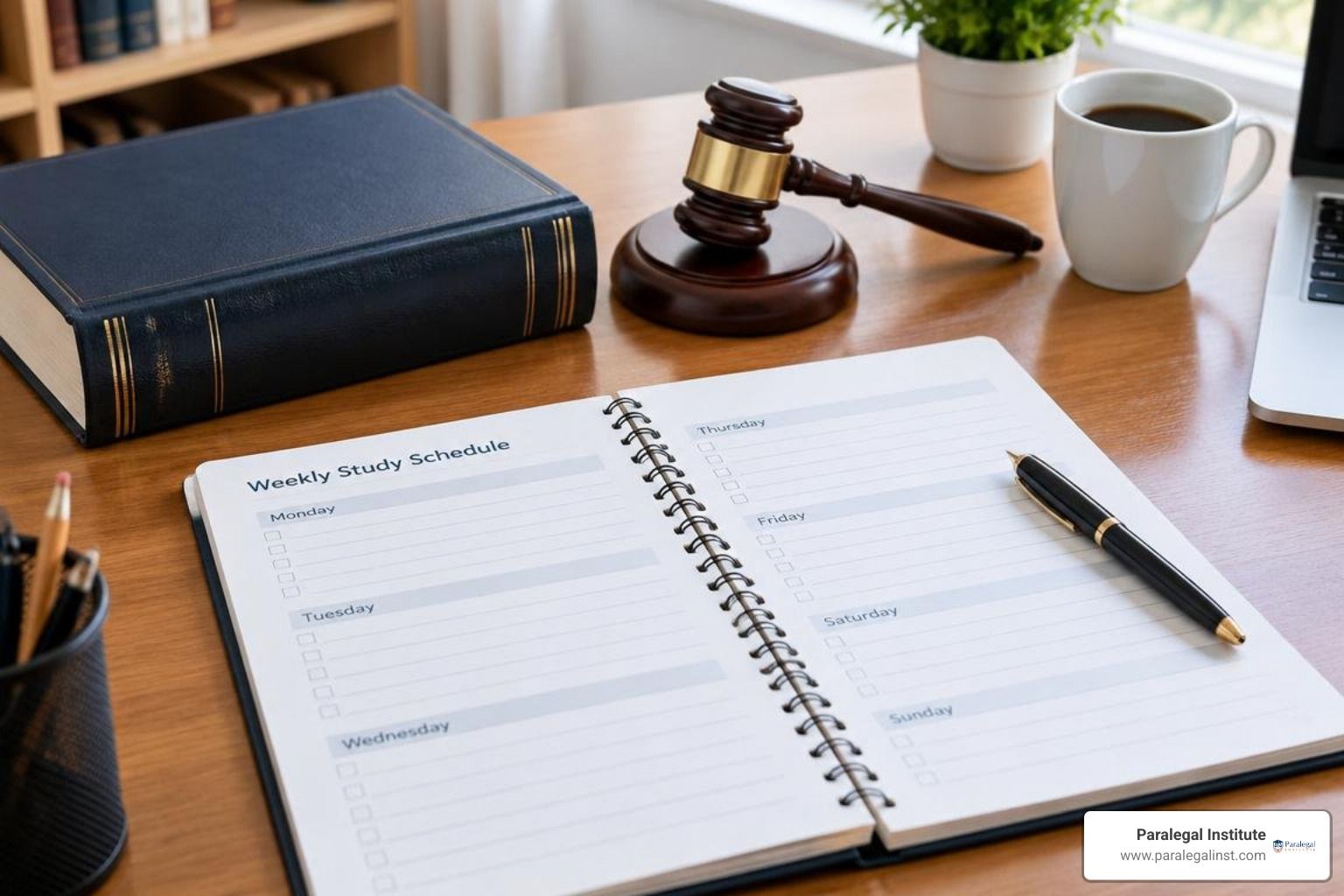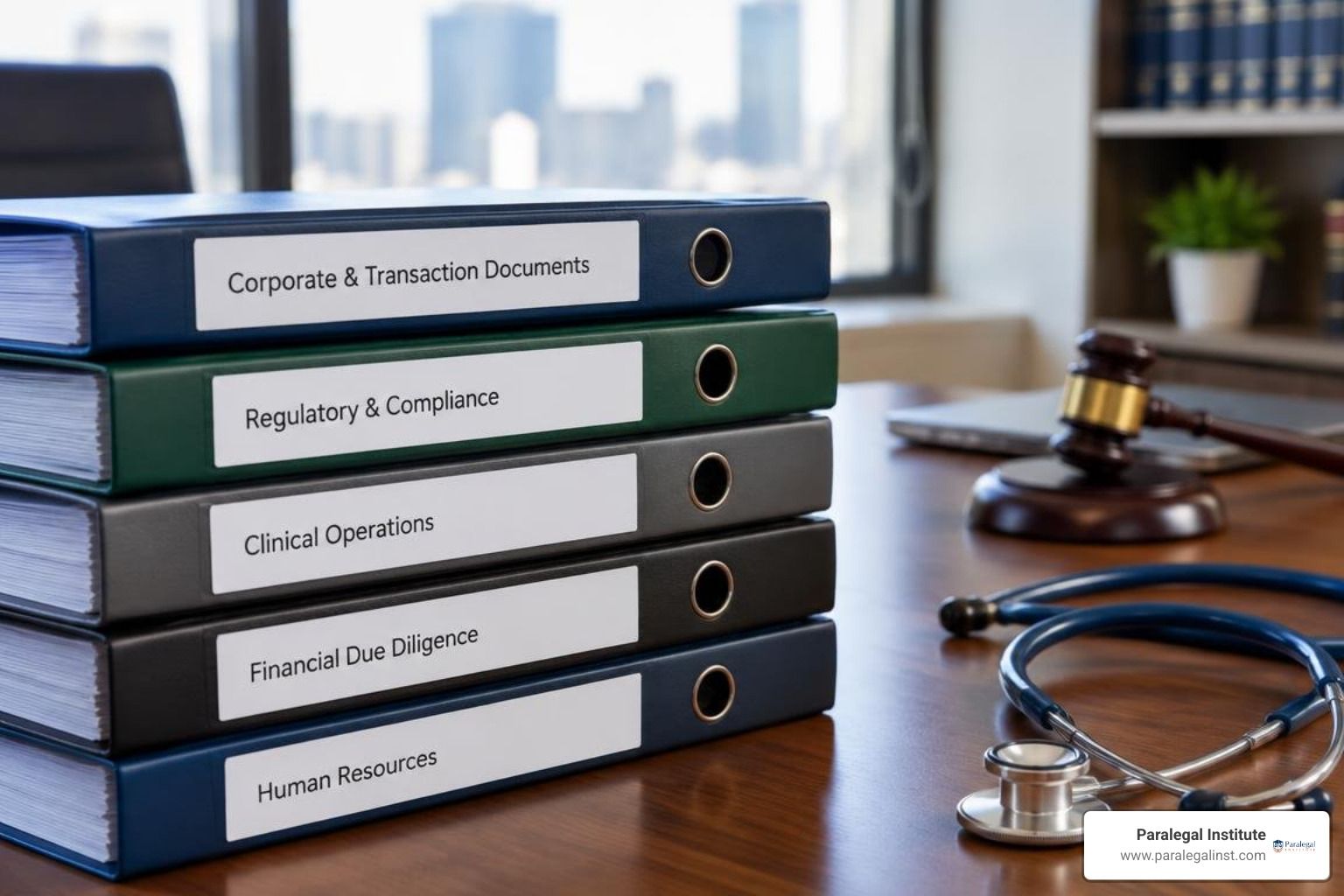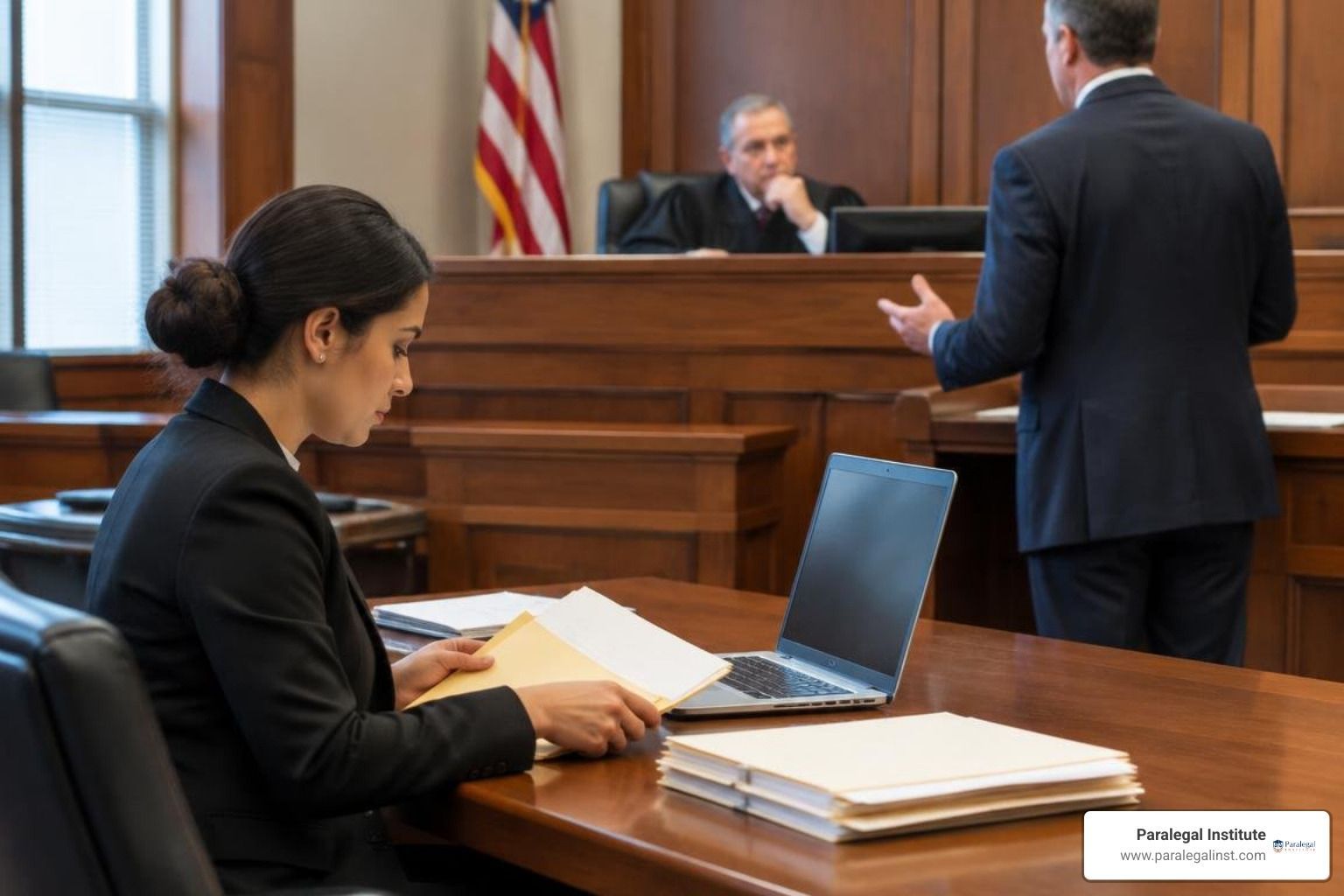
Why Skills for Paralegal Work Define Your Career Success
The skills for paralegal work are the foundation of a successful career in the legal field. Whether you're starting out or strengthening your resume, developing the right competencies is essential. These skills can be grouped into four key areas:
- Hard Skills: Legal research, document drafting, and case management.
- Soft Skills: Communication, organization, and critical thinking.
- Technical Skills: Proficiency with legal software and document management systems.
- Professional Skills: Ethical conduct, confidentiality, and professionalism.
The legal profession is evolving, and law firms now expect paralegals to handle tasks once reserved for junior attorneys, from legal research to client coordination. According to the Bureau of Labor Statistics, about 40,800 paralegal openings are projected each year, with employers seeking candidates who have a strong blend of technical and interpersonal abilities.
What makes a paralegal indispensable? It's not just knowing the law—it's precision in document preparation, efficiency with legal technology, and unwavering attention to detail. A single error can have serious financial consequences and damage client relationships. The good news is that these skills are entirely learnable through focused, practical training that prepares you for the real demands of a law office.
I'm Matthew Pfau, a practicing attorney who owns a law firm and teaches at Paralegal Institute. My experience hiring and training paralegals has shown me which competencies make the difference between a good candidate and a great one. Our curriculum focuses on the exact skills for paralegal success that employers are actively seeking.
Foundational Hard Skills: The Technical Toolkit
To succeed as a paralegal, you need specific, measurable abilities to handle real legal work with confidence. These hard skills are the technical foundation that makes you valuable to any law firm. In legal work, there's no room for "close enough." A missed filing deadline can get a case dismissed, and a poorly researched motion can be costly and damage your firm's reputation. Precision and accuracy are survival skills.

The Most Critical Hard Skills for a Paralegal
When I hire paralegals, I look for two primary skills: the ability to research the law and write clearly. Everything else builds from there.
Legal research is where most cases begin. You'll track down statutes, court rules, and case precedents to support your attorney's arguments. This requires knowing how to use legal databases and synthesize complex information into a useful summary. At Paralegal Institute, our Legal Research Skills Training focuses on the practical methods you'll actually use.
Document drafting is equally critical. You'll prepare pleadings, draft motions, and write correspondence. This isn't creative writing; it's a specific skill requiring precise language and a professional tone. Attorneys rely on paralegals as the first line of proofreading, so your grammar and sentence structure must be flawless. We focus heavily on Improving Your Legal Writing Skills in Paralegal Courses because this skill can make or break your career.
Understanding Legal and Court Procedures
The legal system runs on rules. As a paralegal, you are the expert who keeps everything moving forward correctly. You'll need to understand the litigation process from start to finish, track court rules to ensure every document is filed correctly, and manage filing deadlines. Calendaring systems are essential for tracking deadlines, court dates, and discovery cutoffs for multiple cases simultaneously. Most courts now use e-filing systems, so you must be comfortable with technology and adaptable to different platforms. Our Building Practical Skills in Paralegal Training includes hands-on experience with these procedures.
Investigation and Fact-Gathering
Before a case goes to trial, someone has to gather the facts—and that someone is usually you. This involves conducting client and witness interviews, which requires asking the right questions and listening carefully. Evidence collection is meticulous work where you'll gather and organize documents, photos, emails, and other relevant materials. You'll also use public records requests to find information that isn't readily available. Finally, case analysis pulls everything together, helping your attorney understand the strengths and weaknesses of the case. These foundational hard skills form the technical backbone of paralegal work.
Essential Soft Skills: The Keys to Efficiency and Collaboration
Technical knowledge alone won't make you an exceptional paralegal. The interpersonal abilities that define your professional effectiveness—your soft skills—are what transform you from someone who can do the work into someone attorneys want on their team. Paralegals are often the unsung heroes at law firms, and their success hinges on these crucial soft skills.

Why Soft Skills for a Paralegal Are Non-Negotiable
I tell every student that you'll spend more time communicating than researching case law. Your skills for paralegal work must include interacting effectively with everyone from anxious clients to demanding attorneys.
Oral and written communication are your daily tools. You're constantly on the phone, scheduling depositions, updating clients, and composing emails to opposing counsel. Every conversation and written word reflects on your firm's professionalism. As the frontline interface with clients, you build relationships and manage expectations, which requires empathy, tact, and professionalism, especially when emotions run high. Teamwork and collaboration with attorneys, other paralegals, and legal staff are also essential for a positive and productive work environment.
Organization and Time Management
If you can't stay organized, this career will be overwhelming. The legal field moves fast, with multiple cases, unexpected emergencies, and deadlines that cannot be missed. Multitasking is the baseline expectation, but it must be paired with effective prioritization to manage your workload. Which deadline is imminent? Which task needs immediate attention? Our training includes Prioritize Tasks Effectively as Paralegal strategies to help you make these judgment calls.
Meeting deadlines is non-negotiable. A missed deadline can have severe consequences for a case. Your ability to manage time is a cornerstone of your reliability. Furthermore, case file management —organizing both physical and electronic documents—is essential. You need systems that allow you to locate any document within seconds. We teach practical Strategies for Paralegals to Stay Organized that work in real law offices.
Critical Thinking and Attention to Detail
These two skills form the intellectual backbone of your work. Critical thinking and problem-solving are vital for analyzing legal issues, identifying gaps in evidence, and spotting potential problems. When reviewing discovery responses, you need to recognize what's missing or inconsistent. Our programs focus on Developing Critical Thinking Skills in Paralegal work to sharpen these analytical abilities.
Attention to detail is where the rubber meets the road. There is simply no room for error in paralegal work. A misspelled name on a summons or a misfiled document can create significant problems. This isn't about being a perfectionist; it's about understanding that in legal work, details matter. That's why we emphasize the Importance of Attention to Detail in Paralegal Work throughout our training. Combining sharp critical thinking with meticulous attention to detail makes you the kind of paralegal every law firm wants to hire.
The Impact of Technology: Modern Skills for Paralegal Success
The legal field has been transformed by technology. Modern law offices rely on sophisticated software and digital tools that have reshaped the skills for paralegal professionals need. Technology has become as essential as a law library once was, making us more efficient, accurate, and valuable to our legal teams.

Proficiency with Legal Technology
If you're not comfortable with technology, you'll struggle in today's legal environment. These are learnable skills that will set you apart.
Mastery of office suites —word processing, spreadsheets, and presentation software—is fundamental. Advanced features, like creating automated document templates, distinguish an exceptional paralegal. Communication platforms like video conferencing and secure messaging are now standard tools. Then there's discovery. In litigation, discovery is the process of exchanging information, which today involves massive amounts of electronic data. We use specialized eDiscovery platforms to manage this information efficiently. Understanding how to collect and process electronic data is a core paralegal responsibility.
Strong docketing and calendaring practices, along with organized digital file structures, keep schedules, filings, and matter coordination on track. Finally, legal research platforms provide instant access to case law and statutes. AI-driven tools can significantly cut research time, but you need to know how to use them effectively.
At Paralegal Institute, our Legal Technology for Paralegals training ensures you're confident using these tools. Our Technology in Paralegal Programs provide practical experience with the software you'll use in law offices.
Cybersecurity and Ethical Tech Use
With many law firms experiencing data breaches, security mistakes can destroy client trust and violate ethical obligations. Data privacy and client confidentiality are sacred, and technology adds new layers of responsibility. Every email, shared file, and cloud-stored document must be secured.
Our ethical obligations extend to technology use. Professional codes of conduct provide clear guidelines for protecting client information in digital environments. You must understand the ethical implications of cloud computing, electronic communications, and mobile device use. Phishing awareness is also a critical paralegal skill, as cybercriminals often target law firms. Recognizing suspicious messages and following security protocols are essential protections for your clients and your career. We teach practical approaches to digital security that make sense in real-world legal environments.
Professionalism and Ethics: The Cornerstone of the Legal Field
The legal profession is built on trust and integrity. For paralegals, upholding ethical standards and demonstrating unwavering professionalism are fundamental requirements. These skills for paralegal work ensure that we serve as reliable and responsible extensions of the attorneys we support. As paralegals often interact most frequently with clients and handle their sensitive documents, this is a serious responsibility that requires a rock-solid commitment to ethical conduct.

Upholding Ethical Obligations
Every paralegal must understand and respect clear ethical boundaries. These rules protect clients, maintain the integrity of the legal system, and keep law firms operating responsibly.
Avoiding the unauthorized practice of law is the most critical boundary. We work under attorney supervision and cannot give legal advice or represent clients in court. Recognizing conflicts of interest requires constant vigilance to ensure the firm has no relationships that could create a conflict. Maintaining client confidentiality is sacred; every detail of a case must remain strictly confidential, both in and out of the office. Finally, professional conduct means adhering to established ethical codes and treating everyone—clients, opposing counsel, and court staff—with respect and civility.
Demonstrating Professionalism and Integrity
Beyond formal rules, your daily conduct shapes your professional reputation. Dependability and initiative set great paralegals apart. Attorneys need to know they can count on you, and anticipating needs before being asked makes you an invaluable team member.
Stress tolerance is also essential. The ability to maintain composure under pressure allows you to think clearly and avoid costly mistakes during hectic times. Your professional demeanor in every interaction contributes to your firm's reputation. It means being respectful, courteous, and helpful, even in challenging situations.
At Paralegal Institute, we instill these ethical principles and professional standards from day one. These skills for paralegal success are woven throughout our 15-week program, preparing you to enter the workforce not just with knowledge, but with the integrity that law firms value most.
Frequently Asked Questions about Paralegal Skills
What Are the Most Important Skills for an Entry-Level Paralegal?
For an entry-level role, you need a balanced foundation of technical know-how and strong interpersonal abilities. On the technical side, this includes basic legal research, document drafting, and a working knowledge of court procedures and legal software. You should be comfortable with the core technologies law firms use daily.
Equally vital are soft skills. Strong organizational abilities, meticulous attention to detail, and effective communication are non-negotiable. A professional demeanor shows you can be trusted with high-stakes work. Our programs provide practical, hands-on training in all these areas, making you job-ready from day one. Our guide to Prep for First Job as a Paralegal offers more insights.
How Can I Develop These Essential Paralegal Skills?
Developing the right skills for paralegal work requires focused, practical training that mirrors the job itself. At Paralegal Institute, our approach centers on live instruction from practicing attorneys like myself. This is real-time learning from professionals who understand exactly what skills you need.
Our hands-on training uses real-world simulations, so you'll draft documents and practice research on the same platforms law firms use. Our accelerated 15-week program is designed to get you into the legal field faster than longer traditional programs by concentrating on the competencies employers are actively seeking. You can learn more about launching your career in our resource on How to Get Paralegal Job.
Are Soft Skills or Hard Skills More Important for a Paralegal?
This is like asking if a car needs an engine or wheels—you need both, and they work together. Hard skills are your technical foundation: legal research, drafting, and understanding procedures. Without them, you can't perform the core functions of the job.
However, hard skills are ineffective without strong soft skills. Your research is useless if you can't communicate your findings clearly. Your perfectly drafted documents are worthless if you miss deadlines due to poor time management. Your legal knowledge requires organization to be applied efficiently, and your research skills require critical thinking to be meaningful. At Paralegal Institute, we emphasize a balanced development of both because we know successful paralegals possess a robust blend of technical expertise and interpersonal effectiveness.
Why Choose Paralegal Institute for Your Paralegal Training?
If you're seeking a practical, efficient path to a rewarding legal career, Paralegal Institute is the right choice. Our program is built to get you job-ready fast, without wasting your time or money.
What makes us different is our live instruction. Whether you join us online or in person, you're learning in real-time from practicing attorneys who bring current, real-world experience into the classroom. We teach the actual skills for paralegal work that we use every day.
Our accelerated 15-week paralegal program is designed for people who want to start their careers now. We focus on the essential competencies employers demand, cutting out the unnecessary courses you might find in longer traditional programs. This hands-on approach makes our program remarkably cost-effective, delivering career-focused education that translates directly into job readiness.
Our high job placement rates reflect this practical focus. Graduates enter interviews confident and prepared because they've already practiced the skills employers are seeking. To understand what you'll be doing, learn more about the role of paralegals in law firms and see how our unique approach can launch your legal career.
Conclusion
Becoming a successful paralegal demands a blend of technical expertise and interpersonal finesse. The most effective skills for paralegal work range from the precision of legal research and document drafting to the human elements of clear communication, meticulous organization, and sharp critical thinking. The legal field is not standing still, and comprehensive skill development is more important than ever.
At Paralegal Institute, we've built our program around this reality. Our accelerated 15-week paralegal program delivers the practical, focused education that prepares you for real law office demands. Unlike longer traditional programs, we concentrate exclusively on the competencies that employers are actively seeking. You learn from practicing attorneys who bring current legal experience into every lesson, whether you join us online with live instruction or attend our in-person classes.
This focused approach means you become job-ready faster and more affordably, gaining hands-on experience with the exact tools, procedures, and skills that law firms need. Our high job placement rates reflect this practical emphasis—our graduates step into their roles with confidence because they've already practiced the work they'll be doing.
The legal profession needs skilled, dedicated paralegals. Your career begins with the right training from people who understand both the legal field and what it takes to succeed. We invite you to explore Paralegal Institute's programs and start your legal career journey today. The skills you need and the career you want start here.